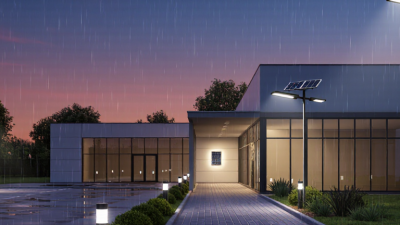
What Are the Top Solar Lights for Outdoor Use?
Outdoor lighting should make a path easier to follow, a porch more welcoming, or a garden safer after sunset. Solar Lights offer a practical option when running outdoor wiring is inconvenient. Yet choosing a set is not as simple as picking the brightest box. A small path light may create a gentle glow, while a motion-activated security light needs stronger output and a well-positioned panel. The right choice depends on the space, available sunlight, and how you plan to use it.
This guide looks at features that matter in everyday use, including brightness, battery life, weather resistance, installation, and overall value. It also considers where different styles work best, from string lights over a patio to spotlights aimed at a dark driveway. Check the product’s stated coverage and weather rating, and remember that real results can vary with shade, season, and placement. A panel tucked beneath a tree may recharge poorly, even if the light itself seems impressive. Small detail. No single model fits every yard, and advertised runtime may not match a cloudy week at home. That deserves a little skepticism. By comparing practical strengths and limitations, you can narrow the options and find outdoor lighting suited to your routine, rather than relying on brightness claims alone.
What Outdoor Solar Lights Are and How They Work
Outdoor solar lights are self-contained fixtures that turn daylight into stored electricity. A small photovoltaic panel produces direct current, which charges an internal battery. After dusk, a light sensor signals a controller to power the LEDs. The parts are simple. Their performance is not.
Sun exposure matters. A panel shaded by a porch roof or dusty leaves may collect much less energy than one facing open sky. Cloudy weather can also reduce charging, so a bright evening does not guarantee a full night of light. The IEA PVPS Snapshot 2024 estimates that 447 GW of solar PV capacity was added worldwide in 2023. That shows how established solar technology has become, but it does not predict how long a particular garden light will run.
LEDs help make small batteries practical. The U.S. Department of Energy says residential LEDs use at least 75% less energy than incandescent lighting and can last up to 25 times longer. Those figures compare bulb technologies, not complete solar fixtures. Check the panel’s location, battery capacity, and stated runtime together. One detail is easy to miss: manufacturer runtime figures may assume a full charge and moderate brightness. Real conditions can be less tidy.
Main Types of Solar Lights for Outdoor Use
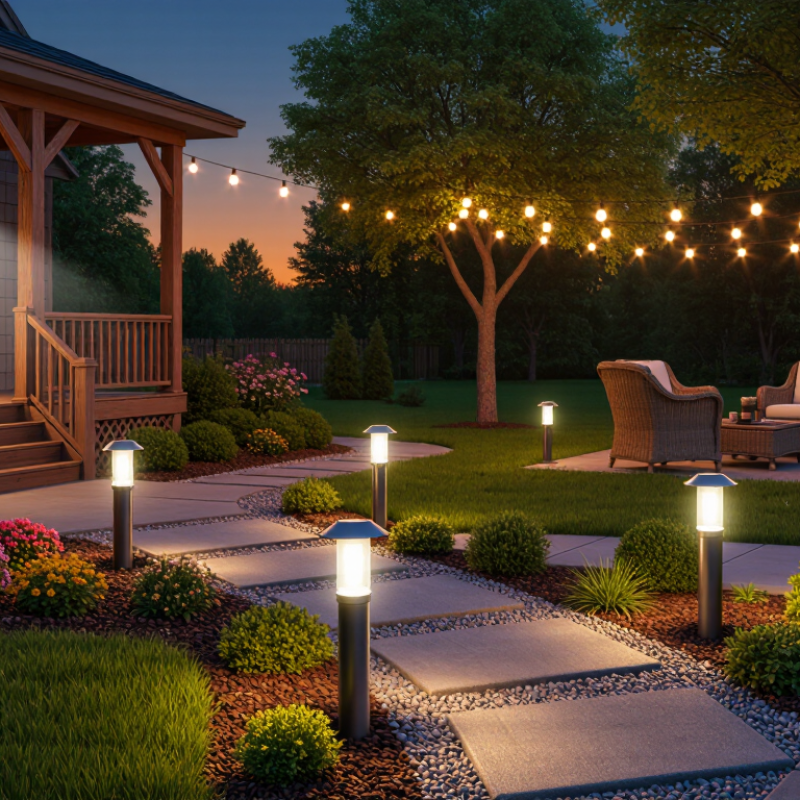
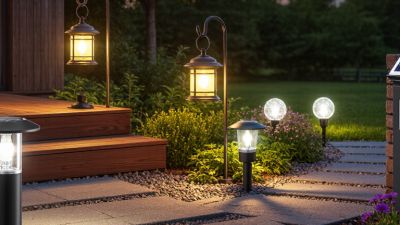
Outdoor solar lights come in several useful forms. Path lights sit low beside walkways and mark edges without creating harsh glare. Spotlights direct a narrow beam toward a tree, sign, or garden feature. Wall lights suit entrances and patios, while motion-sensing models can brighten when someone approaches. Solar string lights add a softer glow to fences or seating areas. For broader coverage, solar floodlights spread light across driveways and yards. Their brightness and runtime vary, so check both specifications rather than judging by appearance alone.
Tips: Match the light to the task. Path lights help with wayfinding; they are not usually bright enough for detailed work. Place panels where they receive several hours of direct sun, and trim nearby branches if they cast shade. Even partial shade can reduce nighttime output. Keep panels clean, too. Dust builds up faster than expected.
Think about installation before buying. Stake-mounted lights are easy to move, but may lean in loose soil. Wall-mounted options need a suitable surface and careful positioning. I would avoid mixing too many beam styles in one small area; the result can feel scattered. Still, a little unevenness is normal outdoors, especially under trees or during short winter days.
What Are the Top Solar Lights for Outdoor Use? — Main Types of Solar Lights for Outdoor Use
The right outdoor solar light depends on where it will be installed, how much illumination is needed, and how much direct sunlight the solar panel receives.
| Light Type | Typical Outdoor Use | Typical Brightness | Common Features | What to Consider |
|---|---|---|---|---|
| Solar Path Lights | Marking garden paths, walkways, and driveway edges | Usually about 2–20 lumens per light | Low-level, downward or diffused light; often stake-mounted | Best for guiding movement rather than illuminating a large area. Space lights evenly and avoid locations shaded by plants or structures. |
| Solar Spotlights | Highlighting trees, architectural details, signs, or garden features | Often about 50–300 lumens per light | Adjustable beam direction; commonly supplied with a ground stake or wall-mount option | Check the beam angle and panel placement. A separate panel can be useful when the feature being lit is in a shaded spot. |
| Solar Floodlights | Lighting patios, yards, driveways, and other wider areas | Often about 300–1,500 lumens, depending on the model | Broad beam; some models include motion detection or adjustable brightness | Output and runtime vary widely. Motion-activated settings can help conserve stored energy when the light is not continuously needed. |
| Solar Wall Lights | Illuminating entrances, exterior walls, gates, and porches | Commonly about 10–300 lumens | Fixed wall mounting; available as accent, downward-facing, or motion-sensing lights | Install the panel where it receives direct sunlight, and check that the mounting position provides the desired coverage. |
| Solar String Lights | Adding decorative lighting to patios, pergolas, balconies, and outdoor dining areas | Typically low output per bulb; intended mainly for ambient lighting | Multiple bulbs connected along a cable; some sets offer selectable lighting modes | Confirm cable length, bulb spacing, and whether the panel can be placed in a sunny location away from the installation area. |
| Solar Deck and Step Lights | Marking stairs, deck edges, railings, and low walls | Usually about 1–20 lumens per light | Compact, low-profile designs; often mounted on a vertical surface or step riser | Choose a placement that reduces glare and keeps the light out of the way. These lights are generally for visibility cues, not broad illumination. |
| Solar Post and Pier Lights | Lighting fence posts, gate pillars, and deck posts | Often about 5–100 lumens per light | Top-mounted designs; usually intended for decorative or localized lighting | Check the post-cap dimensions and mounting method before buying. Performance depends on panel exposure and available daylight. |
Buying tip: Brightness and operating time vary by product, season, weather, battery condition, and hours of direct sunlight. Check the stated lumen output, weather-resistance rating, replaceable-battery information, and installation requirements for each light.
How to Compare Solar Lights by Brightness and Performance
What Are the Top Solar Lights for Outdoor Use?
How to Compare Solar Lights by Brightness and Performance
Brightness is more than a lumen number. A high output may suit a wide driveway, while a softer beam can work better beside steps or a garden path. Check the beam angle and where the light falls. A bright spot on the fence does little for the dark patch by your door. Small differences matter.
Compare brightness alongside runtime and operating modes. A motion sensor may deliver strong light when someone approaches, then conserve energy at lower output. For steady lighting, check how many hours the fixture is expected to run after a full charge. That figure can change with shade, cloudy weather, and season. Test it at dusk. A simple check over several nights may reveal more than a package claim.
Panel placement affects performance, too. A lamp under a deep porch roof may receive too little direct sun, even if its light looks powerful in a display. Look for an adjustable panel if the mounting spot is shaded. Also consider whether the battery can be replaced; otherwise, declining runtime may mean replacing the whole unit. I would not judge a light from its first bright evening alone. Give it a few ordinary days, including a cloudy one.
Which Solar Lights Work Best for Different Outdoor Areas
For paths and steps, choose low-mounted solar stake lights with shielded, downward-facing LEDs. They mark edges without shining into windows or drivers’ eyes. A narrow beam usually works better than a bright globe. For a driveway, use a motion-sensing solar floodlight with an adjustable head. Aim it at the entry, not across the whole yard. Check the sensor’s range and test it from the actual approach; shrubs and parked cars can block detection.
Porches and seating areas need softer, broader light. Wall-mounted solar fixtures or compact lanterns can make faces and door handles visible without creating harsh glare. Look for replaceable batteries, weather-resistant construction, and a panel that receives several hours of direct sun. The U.S. Department of Energy reports that LEDs use at least 75% less energy than incandescent lighting. Lower power demand can help a small solar panel support longer evening use, though real runtime still depends on sunlight, battery condition, and settings.
For garden beds, small accent lights suit individual trees or borders; they rarely provide dependable task lighting. NREL’s PVWatts tool estimates solar production using local weather and system orientation, a useful reminder that panel output is site-specific. Shade matters. A light that performs well in an open test area may disappoint beneath a porch roof. I would treat advertised runtime as a best-case estimate, not a promise.
Installation and Care for Long-Lasting Solar Lighting
Good solar lighting starts with the panel, not the fixture. Place path lights where panels receive several hours of direct sun, away from roof shadows and dense branches. Even a narrow shadow can reduce charging. Before pushing stakes into the soil, check for irrigation lines and choose firm, well-drained ground. Leave enough space between lights to prevent overlapping glare, then check the layout after dusk. Try them at dusk. A light that looks bright in daylight may cast an uneven pool across a walkway.
Keep panels clear of dust, pollen, and fallen leaves with a soft, damp cloth. Avoid abrasive pads, which can scratch the surface, and let the fixtures dry before covering them for storage. After heavy rain or a windy night, check that stakes remain upright and that water has not collected around the base. If a light grows dim, inspect the panel’s exposure and clean it before assuming the battery has failed. Some batteries are replaceable; follow the fixture’s instructions and use the specified type. I have found that moving a light a few feet can help more than expected, though I sometimes forget to recheck it as nearby plants grow. Revisit the placement each season.
Related Posts
-
Why Choose Solar Panel Lights for Your Business?
-
What Are the Top 10 Solar Lamp Manufacturers in China?
-
10 Surprising Facts and 7 Reasons Why Solar LED Lights Are Revolutionizing Outdoor Lighting
-
How to Choose the Best Solar Panel Lights for Your Outdoor Spaces
-
2026 Top Outdoor Solar Lamps Buying Guide
-
How to Choose the Best Solar Lamp for Outdoor Lighting