What Are the Top 10 Solar Lamp Manufacturers in China?
Solar lighting has moved well beyond a simple lamp beside a garden path. Today, a Solar Lamp may illuminate a driveway, park, farm entrance, or remote worksite without a nearby power connection. Its performance depends on more than a bright LED. Panel size, battery capacity, weather resistance, and control settings all affect how reliably it works after sunset. Small details matter.
China is a major source of solar lighting products, with manufacturers serving both domestic and export markets. This guide introduces ten companies to help buyers begin comparing their options. It considers product range, manufacturing background, technical information, and the clarity of each supplier’s communication. These factors can offer useful clues, but they do not replace testing a sample or checking current documents.
There is no universal “best” manufacturer. A municipal project may need different fittings and maintenance support than a homeowner replacing a garden light. Specifications also change, and supplier claims deserve careful review. A high wattage figure alone, for example, may not tell you how long a lamp will stay bright overnight. That can be easy to miss. The companies below provide a starting point for research, not a guarantee of suitability. Compare comparable models, ask specific questions about batteries and warranties, and confirm details directly with each manufacturer before making a purchase.
How China’s Solar Lamp Manufacturing Industry Is Organized
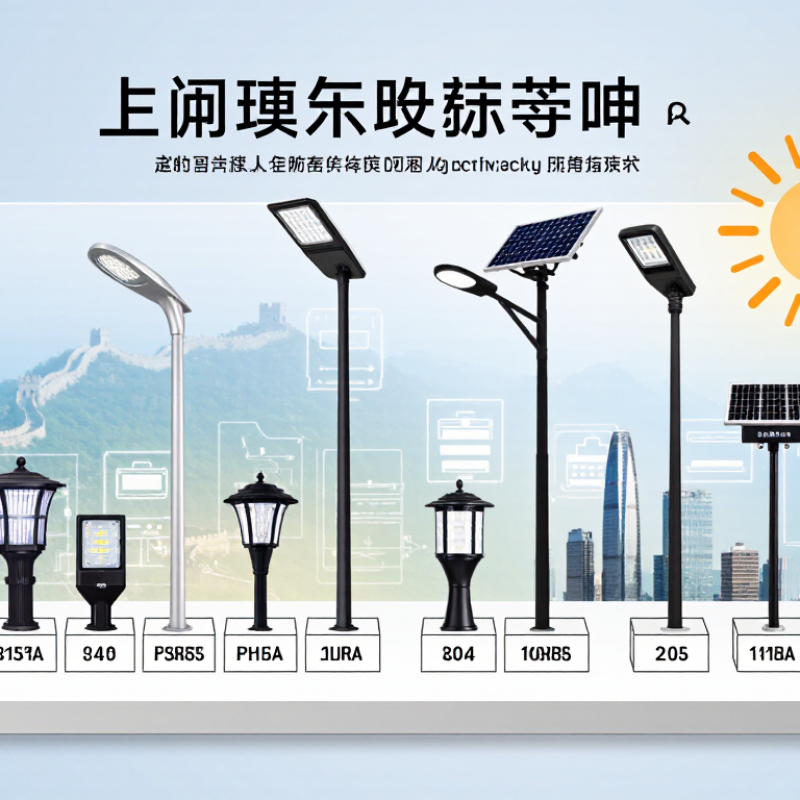
China’s solar lamp industry is organized as a network, not a single production line. Component suppliers provide photovoltaic panels, batteries, LED boards, controllers, and housings. Some factories specialize in one part; others assemble complete lamps and coordinate outside suppliers. That division lets manufacturers adjust designs for gardens, streets, or remote sites.
Roles vary. A factory may produce the lamp body but source its battery and controller elsewhere. Export-focused manufacturers often handle packaging, product documents, and customer-specific specifications. Buyers should check who is responsible for system integration, because a capable-looking panel cannot compensate for a poorly matched battery or control circuit.
The neat diagram is imperfect.
Production capacity alone says little about field performance. Ask for sample test records, battery details, measured light output, and operating time after limited sunlight. Check whether the stated protection rating applies to the assembled lamp, not only one component. A useful comparison also considers replacement parts and consistency between samples and bulk orders. Small details matter. Supplier categories can help explain a top-ten list, but rankings may change with product type, production scale, and quality requirements.
How to Evaluate China’s Leading Solar Lamp Manufacturers
Evaluating a solar lamp manufacturer takes more than checking its product catalogue. The IEA’s 2022 report, Solar PV Global Supply Chains, found that China held over 80% of global capacity across key solar-panel manufacturing stages. That scale supports a deep supplier base, but it does not prove a finished lamp is reliable. Look for documented testing of light output, battery capacity, charging time, and performance after repeated charge cycles. Ask whether test results apply to the exact model you plan to buy.
Check the details. A credible supplier should provide clear component specifications, traceable production records, and warranty terms in writing. Request independent test reports for water and dust protection, then confirm the tested model matches the offered unit. The World Bank’s Lighting Global Quality Standards use laboratory testing to assess off-grid solar products, including durability and truthfulness of product claims. Ask whether the manufacturer’s products have been tested against relevant quality requirements, and verify any certificate directly with its issuer.
Factory visits can reveal practical issues: inconsistent soldering, poorly sealed cable entries, or batteries stored in hot conditions. These details matter. Compare pilot samples with production units, and check how defects are logged and corrected. A polished audit file is useful, but it cannot replace repeated batch checks. Paperwork can still flatter a weak sample. I would also ask for photometric data at a stated distance, not just a bright-looking showroom demonstration.
Profiles of Ten Notable Solar Lamp Manufacturers in China
These ten profiles represent distinct manufacturing strengths, not a verified ranking. One factory may focus on integrated streetlights; another builds rural lighting kits or portable lanterns. Other profiles include garden-light makers, floodlight producers, motion-sensor specialists, battery-focused suppliers, export-oriented OEMs, and custom-project manufacturers. Their differences show up in practical details: panel size, battery access, housing finish, sensor response, and replacement-part availability. A neat catalog is not enough. Request test records and sample units before comparing quotations.
IRENA’s Renewable Capacity Statistics 2024 reports that global solar photovoltaic capacity reached 1,419 GW by the end of 2023, following 346 GW of additions that year. This industry growth gives manufacturers a larger supply ecosystem, but it does not prove a particular lamp’s durability. Buyers should check whether specifications identify battery chemistry, rated capacity, panel output, and operating conditions. Also ask how performance changes after several cloudy days; this detail is often less clear than advertised runtime.
Tips: Compare like with like. Test samples outdoors, inspect seals after rain, and confirm warranty terms in writing. Small checks can prevent expensive surprises. Be cautious: supplier profiles describe capabilities, not independent factory audits.
How the Manufacturers Compare in Products and Capabilities
Comparing China’s solar lamp manufacturers is less about catalog size than installation fit. Some focus on garden and pathway lights; others make street, security, or portable models. A compact stake lamp may pair a small panel with an integrated battery. A street unit needs a wider panel, sturdier housing, and careful thermal design. Details matter.
Buyers should request runtime measured under stated conditions, not just a “full night” claim. Check panel wattage, battery chemistry and capacity, protection-test evidence, and replacement-part availability. For outdoor projects, compare ground-level illumination, beam spread, and output after cloudy days. A bright showroom sample proves little. Not enough.
Production capability also separates suppliers. In-house tooling and aging tests can support repeat orders or custom housings. Smaller workshops may suit simpler designs and limited batches, though documentation can vary. Check sample dimensions against drawings, then inspect cable seals, fasteners, and packaging. Treat advertised battery life cautiously: temperature, shade, and settings change results. Test conditions are not always comparable, even when reports look detailed.
Key Trends Shaping China’s Solar Lamp Manufacturing Industry
China’s solar lamp industry is moving from low-cost assembly toward more integrated, efficient products. The International Energy Agency’s 2022 report, Solar PV Global Supply Chains, found that China held more than 80% of global manufacturing capacity across key solar-module stages. This dense supply network can shorten component sourcing and support rapid product iteration. Yet scale alone does not guarantee reliable lamps; battery life, weather resistance, and consistent light output still need careful testing.
Manufacturers are also adapting to brighter LEDs, improved battery management, and compact solar panels. IRENA reported that China added 297.6 gigawatts of renewable power capacity in 2023, reflecting the scale of its wider clean-energy ecosystem. That figure is not a measure of lamp production, but it helps explain the technical and manufacturing base behind the sector. Some product claims remain difficult to compare, especially when test conditions are unclear. Small details matter.
Tips: Compare usable battery capacity, panel output, and runtime under cloudy conditions. Ask for test methods and warranty terms, not just headline brightness. A practical check: inspect the lamp after a rainy night and confirm that its fittings remain dry.
Key Trend: Rapid Growth in China’s Solar Manufacturing Supply Chain
Year-on-year growth in output across China’s photovoltaic manufacturing chain, 2023
Strong upstream production growth expanded the supply of solar components relevant to products such as solar lamps. These figures describe China’s photovoltaic manufacturing industry, not solar-lamp sales or manufacturer performance.
Source: China’s Ministry of Industry and Information Technology (MIIT), 2023 photovoltaic manufacturing industry statistics.
Related Posts
-
Why Choose Solar Panel Lights for Your Business?
-
How to Choose the Best Solar Panel Lights for Your Outdoor Spaces
-
2026 Top Outdoor Solar Lamps Buying Guide
-

How to Choose the Best Solar Lamp for Outdoor Lighting
-
10 Surprising Facts and 7 Reasons Why Solar LED Lights Are Revolutionizing Outdoor Lighting
-
Unveiling the Top Choices for Solar Pathway Lights Your Ultimate Guide to Making the Right Decision