What Are the Best Outdoor Solar Lamps in 2026?
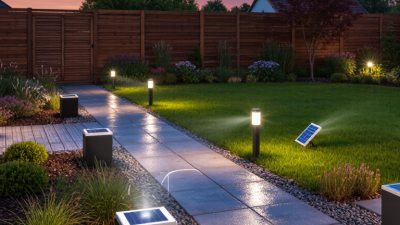
Solar Lamps Outdoor options look simple on a product page: a panel, a battery, and a bright LED. In a real garden, performance depends on less glamorous details. Shade, winter daylight, battery capacity, and sensor settings can change how long a lamp stays lit. This guide to the best outdoor solar lamps in 2026 focuses on those practical differences, not brightness claims alone.
The wider market is expanding quickly. IRENA’s Renewable Capacity Statistics 2025 reports that global solar power capacity reached about 1,865 gigawatts by the end of 2024. That figure describes solar power overall, not outdoor lamps, but it shows how widely the underlying technology is being adopted. The U.S. Department of Energy also notes that LED bulbs use at least 75% less energy than incandescent bulbs. Still, efficient LEDs cannot compensate for a small panel that receives little sun.
Real conditions matter. A lamp beside a sunny stone path may stay bright after dusk; the same model under a deep porch roof may fade early. Not every specification tells the whole story. Battery chemistry, replacement options, weather resistance, and independent test methods deserve close attention. We will compare path lights, spotlights, wall fixtures, and decorative models, while separating useful evidence from marketing language. Results can vary by season and installation, so treat any stated runtime as a guide—not a guarantee.
What Outdoor Solar Lamps Are and Where They Are Used
What Are the Best Outdoor Solar Lamps in 2026?
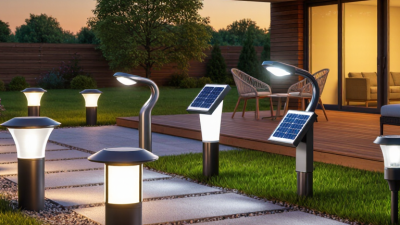
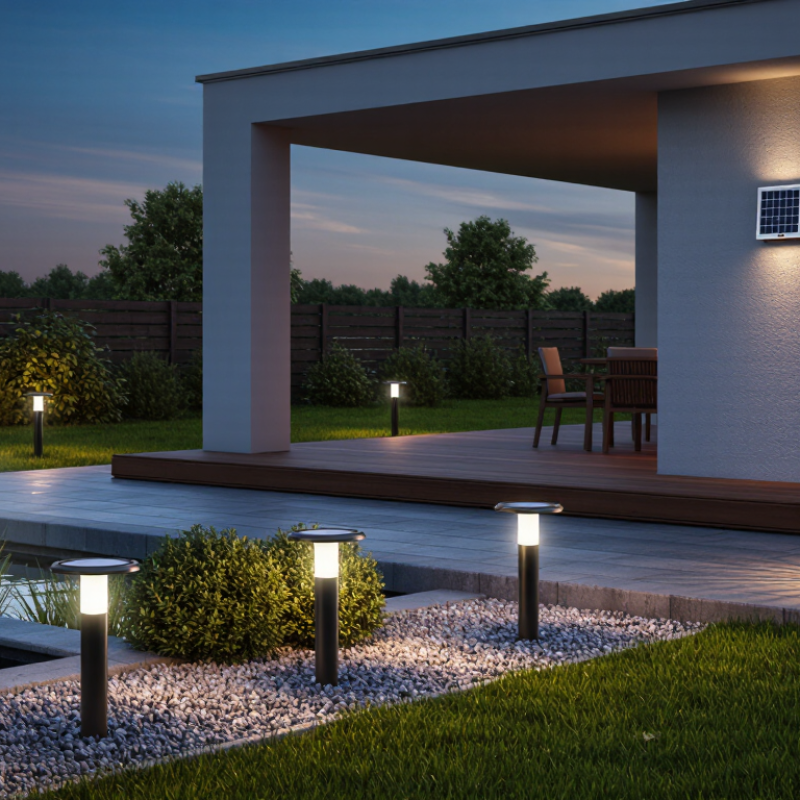
Outdoor solar lamps use small photovoltaic panels to convert daylight into stored electrical energy. After dark, the stored power runs an LED, often with an automatic light sensor. They can illuminate garden paths, patios, deck steps, entryways, and planting beds. Some models sit on stakes; others mount on walls or hang from hooks. They need no outdoor power cable, but their output depends on sunlight, battery condition, and design.
Tips: Place the panel where it gets several hours of direct sun. Check for shade from fences, branches, or rooflines. Keep the panel clean, and angle it toward the open sky when its design allows. For steps or uneven paths, position lamps to show changes in height, not just the edges. Test the layout after dusk.
Solar lamps work well for gentle guidance and atmosphere, but they may not provide steady, bright light through long winter nights or cloudy stretches. A lamp beside a garden bench can make the space easier to use, while a dim stake light may be inadequate for detailed tasks. Compare the stated runtime and brightness, and treat both as estimates. Placement matters more than a crowded row of lights, though getting it right can take a little trial and error.
How Solar Lamps Convert Sunlight into Outdoor Lighting
What Are the Best Outdoor Solar Lamps in 2026?
How Solar Lamps Convert Sunlight into Outdoor Lighting
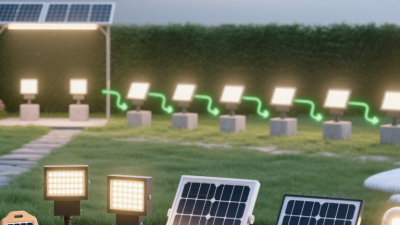
A solar lamp collects daylight through photovoltaic cells, which turn sunlight into electrical energy. A small controller manages charging, then stores energy in a rechargeable battery for use after dusk. At night, the controller powers the LED. Simple in principle. In practice, shade, cloudy weather, panel angle, and battery age all affect how long a lamp stays bright. A panel tucked under a porch roof may collect far less energy than one facing open sky.
The U.S. Department of Energy’s Energy Saver guide reports that LEDs use up to 90% less energy and can last up to 25 times longer than incandescent bulbs. That lower energy demand helps small solar batteries support useful evening light. Still, a bright specification does not guarantee steady illumination all night. Compare the lamp’s stated runtime with its brightness level, and check whether its panel can sit in direct sun. NREL’s photovoltaic guidance explains the conversion process, but real-world performance depends on local sunlight and system design. One detail is easy to overlook: winter days may leave less stored energy for a long, cold night. That is the trade-off.
Main Types of Outdoor Solar Lamps and Their Features
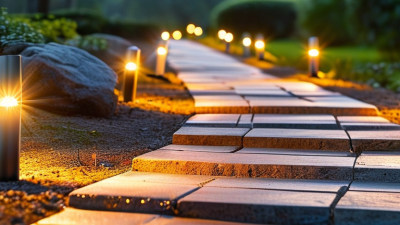
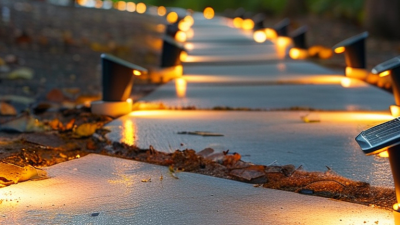
Outdoor solar lamps come in several forms, each suited to a different task. Pathway lights mark garden edges and steps with low, steady illumination. Their short stakes are easy to install, though loose soil can make them lean after rain. Wall-mounted lamps work well near doors, sheds, and garages. Motion sensors can brighten a dark entry only when someone approaches, helping conserve stored energy.
Solar spotlights direct a narrower beam toward a tree, house number, or uneven walkway. Look for adjustable heads and a stake or wall-mount option. String lights create a softer glow across patios and fences, but they are usually decorative rather than practical for navigating stairs. Output depends on panel size, battery capacity, shade, and seasonal daylight. A lamp that shines brightly in a shop may feel modest on a cloudy winter evening. Check the stated runtime and brightness, then consider where its panel will receive direct sun.
Tips: Place panels where leaves and roof shadows will not cover them. Wipe away dust occasionally. Test the light after sunset before fixing it permanently; I have found that small changes in angle can matter more than expected. Keep decorative lights away from spots where bright task lighting is needed.
What Are the Best Outdoor Solar Lamps in 2026? — Main Types of Outdoor Solar Lamps and Their Features
| Lamp Type | Typical Light Output | Best For | Common Features | Key Advantages | Things to Consider |
|---|---|---|---|---|---|
| Pathway and stake lights | About 2–50 lumens per light | Walkways, garden borders, and low-level wayfinding | Ground stakes, downward or diffused light, automatic dusk-to-dawn operation | Easy to install and useful for marking paths without wiring | Usually provide accent rather than strong functional lighting. Place the solar panel where it receives ample direct sunlight. |
| Wall-mounted security lights | Often about 300–2,000 lumens | Entrances, garages, side yards, and other areas needing brighter light | Motion sensor, adjustable head, selectable brightness or lighting modes | Motion activation can provide bright light when needed while conserving stored energy | Performance depends on panel exposure, battery capacity, sensor settings, and the frequency of activation. |
| Solar floodlights | Commonly about 400–2,500 lumens | Driveways, patios, sheds, and broad outdoor areas | Wide beam, separate or attached solar panel, adjustable light heads | Can illuminate a larger area than decorative solar lights | Check the beam angle and panel-cable arrangement; a bright output may shorten runtime if the battery is small. |
| Solar string lights | Typically about 1–10 lumens per bulb | Patios, pergolas, balconies, and outdoor dining areas | Multiple bulbs on a cable, warm-white options, steady or flashing modes | Create decorative ambient lighting across a wider span | Generally are not intended for task or security lighting. The panel needs a sunny position, even if the lights hang in shade. |
| Solar lanterns | Often about 10–150 lumens | Tables, porches, garden seating, and portable accent lighting | Handle or hanging loop, enclosed diffuser, decorative flame or steady-light modes | Portable and available in styles suited to both tabletop and hanging use | Light output and runtime vary widely. Confirm whether the unit is designed to stay outdoors in rain. |
| In-ground and deck lights | Usually about 1–30 lumens per light | Deck edges, steps, borders, and flush-mounted walkway accents | Low-profile housing, downward light, ground or surface mounting | Can mark edges while keeping the fixture unobtrusive | They may be less visible in daylight and are not a substitute for brighter step or safety lighting where strong illumination is required. |
Selection tip: Compare light output, battery capacity, panel placement, and stated runtime together. Actual performance varies with sunlight, season, shade, temperature, and operating mode. For exposed locations, check the product’s weather-resistance rating and installation guidance.
How to Compare Solar Lamps for Brightness, Runtime, and Durability
Brightness claims are easy to misread. Compare lumens, which measure total light, and check whether the maker reports output after the battery has discharged partly. A 300-lumen lamp may feel bright beside a path, yet leave a wide patio dim. DOE’s Energy Saver guidance says LEDs use at least 75% less energy and can last up to 25 times longer than incandescent bulbs. That efficiency helps solar lamps stretch stored energy, but it does not guarantee a long night. Look for runtime tested at stated brightness, not only a best-case figure. Small detail. A cold, cloudy week can change the result.
For a fair runtime comparison, check the panel size, battery capacity, and charging conditions. NREL’s PVWatts tool estimates solar output using location-specific weather and system details, underscoring why one sunny-day test cannot predict every yard. Durability needs equally careful reading: IEC 60529 defines IP ratings, so compare the stated water and dust protection rather than trusting “weatherproof” alone. For example, IP65 indicates dust-tight protection and resistance to water jets; it is not a promise against every storm or years of wear. I would also inspect seals, mounting hardware, and battery replacement options. They are easy to overlook, and sometimes the weakest part is the hinge.
Best Outdoor Solar Lamp Options for Different Needs in 2026
For a small balcony or pathway, choose compact solar lamps with a shielded, downward-facing beam. They mark edges without shining into windows. Check the shade first. A panel placed beneath a tree may collect too little sunlight for dependable evening use, even when the lamp itself looks powerful.
For patios and outdoor dining, adjustable lamps offer more control than fixed decorative lights. Look for several brightness settings and a warm color tone, which can feel more comfortable across a table. A motion-sensing security lamp suits entrances or side yards where light is needed briefly. Check its sensor range and adjustable timer; overly sensitive settings can trigger it for passing branches or pets.
For longer paths or larger gardens, consider separate lamps rather than expecting one unit to cover everything. Compare the stated runtime at the brightness you intend to use, not just the lowest setting. Numbers vary between products, and cloudy days can shorten illumination. A useful detail: the solar panel should face an open patch of sky, while the lamp should sit where its beam matters. Look for weather-resistant construction and a battery that can be replaced. Plastic housings can be practical, though hinges and seals deserve a close look. No solar lamp is maintenance-free. Wiping dust from the panel now and then helps, but winter shade may still disappoint.
Best Outdoor Solar Lamps in 2026: Choose by Lighting Need
Typical planning ranges for outdoor solar lamp output, in lumens. Choose decorative lights for ambiance, pathway lights for orientation, porch lights for general visibility, and higher-output floodlights for security.
These are broad selection guidelines, not guaranteed product specifications. Actual brightness and runtime vary with the lamp, battery, sunlight exposure, and weather.