Why Choose Solar Batteries for Global Businesses?
Solar Batteries are becoming a practical energy tool for businesses operating across uncertain power markets. They store daytime solar power for evening production, overnight security systems, or sudden grid interruptions. A warehouse may keep refrigeration running after sunset. A rural clinic may protect essential equipment during an outage. These details matter more than impressive capacity figures.
The strongest business case begins with measured energy data. Facility managers should review load profiles, seasonal sunlight, outage history, and electricity tariffs. A qualified engineer can then compare battery size, inverter performance, degradation, and expected operating cycles. Oversizing feels safe, but it can weaken financial returns. Undersizing creates a different problem. The battery may discharge before the working day ends. Neither outcome is ideal.
Global companies also need dependable procurement and maintenance plans. Battery chemistry, temperature control, warranty language, and replacement access deserve careful review. Installers should follow applicable electrical, fire, transport, and environmental requirements in each market. Independent testing and clear safety documentation can support responsible decisions. Still, no technology removes every risk. Solar Batteries may require upfront capital, suitable roof space, grid approval, and trained local technicians. Remote sites may face delays when parts are unavailable. That is uncomfortable, but realistic planning is better than optimistic assumptions.
Performance should be tracked after installation. Monthly records can reveal declining capacity, unusual heat, or changing demand. Businesses can use those findings to adjust charging schedules and future investments. The answer will differ between a factory, hotel, data center, and small office. Careful evidence should guide the choice. Not marketing promises.
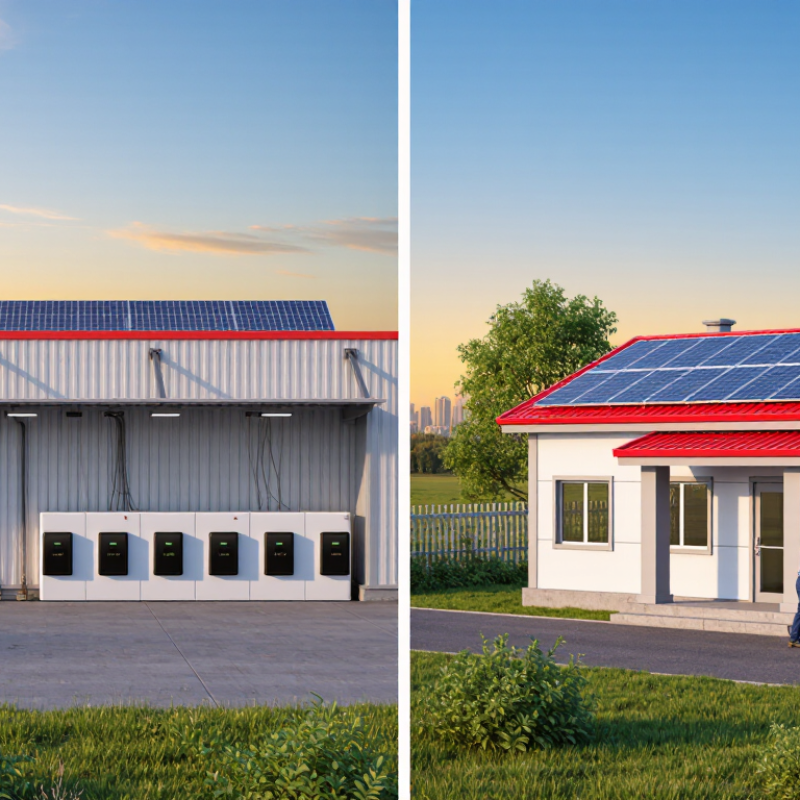
What Solar Batteries Are and How They Store Energy
Why Choose Solar Batteries for Global Businesses?
What Solar Batteries Are and How They Store Energy
Solar batteries are rechargeable energy systems connected to a solar installation. They collect electricity when panels produce more power than a building needs. Instead of sending every extra kilowatt-hour to the grid, the system stores part of it for later use.
The process is practical but not completely simple. Solar panels generate direct current, while most business equipment uses alternating current. An inverter manages this conversion and directs electricity into the battery. Inside the battery, electrochemical reactions hold energy until demand rises. After sunset, the inverter changes stored electricity into usable power for offices, warehouses, or production areas.
Timing matters.
A battery can reduce purchases during expensive peak periods. It can also support essential lighting, refrigeration, network equipment, and security systems during outages. Energy audits should examine load profiles, battery capacity, temperature, and local grid rules before installation. A larger battery is not automatically better. Oversizing may increase costs while leaving capacity unused.
Most modern systems use lithium-based chemistry because it offers strong energy density and a long service life. However, performance declines with age, heat, deep discharge, and poor maintenance. Businesses should review round-trip efficiency, warranty conditions, fire protection, monitoring tools, and recycling arrangements. The storage calculation may look attractive on paper, yet real savings can vary with weather and operating habits. That uncertainty deserves honest attention.
Why Choose Solar Batteries for Global Businesses?
What Solar Batteries Are and How They Store Energy
Solar batteries store surplus electricity generated during periods of strong sunlight and release it when solar production falls or electricity demand increases. This helps businesses shift renewable energy to later hours, reduce reliance on grid power during peak periods, and improve energy resilience.
The chart uses a 1 MWh battery with a 90% usable depth of discharge and 90% round-trip efficiency. Annual delivered energy is calculated as: battery capacity × usable depth of discharge × round-trip efficiency × annual cycles.
Why Global Businesses Are Adopting Solar Battery Systems
Why Choose Solar Batteries for Global Businesses?
Global businesses are adopting solar battery systems for practical reasons. The decision is not merely fashionable. In factories, warehouses, and offices, batteries store daytime solar power for evening operations. This can reduce dependence on unstable grid supply and limit exposure to changing electricity prices. It also supports cleaner energy reporting across regional facilities.
Strong projects begin with an energy audit. Specialists review demand patterns, roof conditions, local weather, and grid rules. They compare battery capacity with actual consumption, rather than choosing the largest available system. Local installers should provide documented safety procedures, inspection records, and maintenance schedules. Clear monitoring is essential. Managers need to see charging levels, peak demand, and unusual temperature changes from one dashboard.
Still, batteries are not magic. Their performance depends on heat, cycling habits, and proper installation. Some facilities may need stronger grids before storage becomes useful. Replacement costs also require honest planning. Field experience shows that rushed projects often create oversized systems and disappointing returns. That lesson deserves attention. A careful pilot can test savings, staff training, and emergency procedures before wider investment. Small steps matter.
How Solar Batteries Support Diverse Business Operations
Solar batteries help global businesses manage energy across very different operating conditions. An office may need backup for servers, while a cold-storage site must protect refrigeration overnight. Retail stores can store midday solar power and use it during evening trading hours. Remote facilities may rely on batteries when grid access is weak or unavailable.
Power gaps still happen. A properly sized system can keep essential equipment running during short outages and reduce dependence on expensive peak-time electricity. In practice, this means separating critical loads from non-essential ones. A warehouse might protect scanners, lighting, and security systems while pausing electric vehicle charging. A clinic may prioritize refrigeration and communication equipment. These decisions require site data, not assumptions.
Battery performance also depends on temperature, charging patterns, and maintenance. Extreme heat can accelerate degradation, especially in poorly ventilated rooms. Regular inspections, monitoring software, and trained technicians improve reliability. Local safety requirements and recycling procedures must shape the installation from the beginning. The design is imperfect. Seasonal sunlight, changing tariffs, and business expansion can make an original capacity plan outdated. Companies should review energy records every few months and adjust operating schedules when evidence changes. With careful planning, solar batteries support continuity, cost control, and more flexible operations across offices, factories, stores, and remote sites.
Important Factors for Selecting a Solar Battery Solution
Why Choose Solar Batteries for Global Businesses?
Important Factors for Selecting a Solar Battery Solution
Choosing a solar battery solution requires more than comparing storage capacity and price. It begins with the site's actual energy pattern. Review 15-minute load data, peak demand, outage history, and solar production across seasons. A battery sized from one sunny month may disappoint during winter. Ask how much energy remains usable after reserve limits, conversion losses, and aging. Check whether the system supports critical loads, not merely the entire building.
Safety deserves documented evidence. Request test reports, certifications recognized in each target market, installation procedures, and emergency response guidance. Confirm operating limits for heat, humidity, dust, and altitude. A coastal warehouse and a cold inland factory need different protection. Examine warranty terms carefully, including throughput, retained capacity, response time, and exclusions. The cheapest offer can become expensive when replacement labor, permits, or network upgrades appear later.
For international operations, software and service matter as much as hardware. Look for secure remote monitoring, clear alarms, local technicians, spare-part planning, and support across relevant time zones. Verify grid-connection rules before signing. Lifecycle planning should include transport, maintenance, reuse, and lawful end-of-life recycling. I would also test the financial model with lower savings and higher degradation. This feels less exciting. It is more honest. Forecasts are never perfect, so build review points into the contract.