Why Choose a Thermoelectric Cooler for Your Cooling Needs?
In today's fast-paced world, efficient cooling solutions are more important than ever. Many industries face the challenge of maintaining optimal temperatures for sensitive equipment. According to Dr. Emily Nguyen, a leading expert in thermoelectric technology, "Thermoelectric Coolers offer unmatched versatility and reliability for diverse cooling applications." This statement highlights the growing relevance of Thermoelectric Coolers in various sectors.
These devices utilize the Peltier effect to create a heat differential, making them ideal for precise temperature control. A Thermoelectric Cooler is compact and does not require refrigerants, reducing environmental impact. This technology relies on solid-state components, minimizing mechanical failure risks. However, potential users need to recognize the limitations in cooling capacity compared to traditional systems.
Seeking the right balance is crucial. While Thermoelectric Coolers can efficiently manage temperatures, they may not be suitable for every application. Some users find the initial investment steep, impacting budget-conscious decisions. It's essential to weigh the advantages against these challenges, as this ensures informed choices tailored to specific cooling needs.
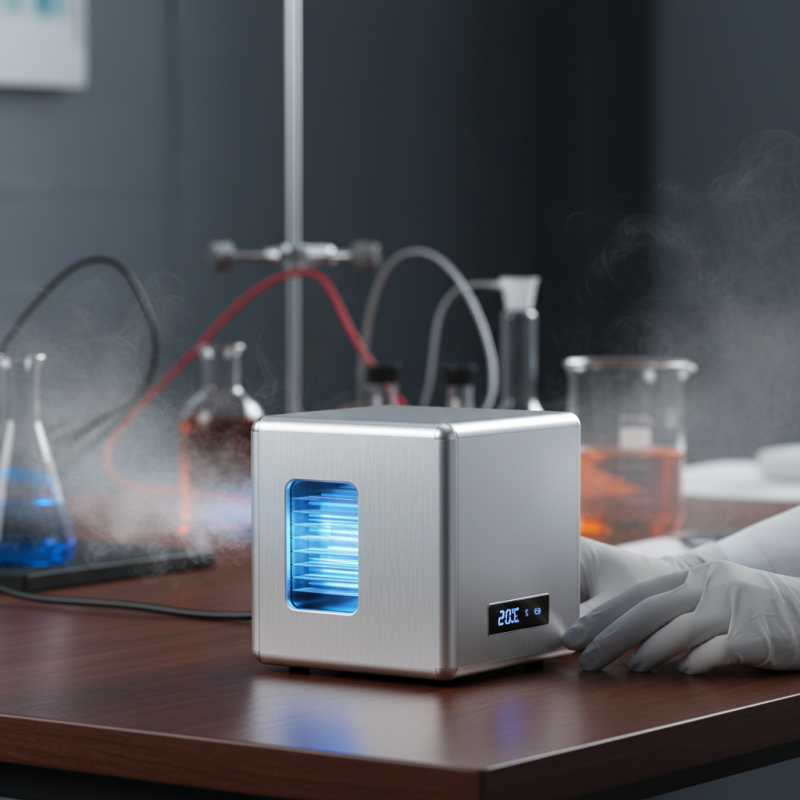
Understanding Thermoelectric Coolers and Their Functionality
Thermoelectric coolers (TECs) have gained attention for their unique functionality. These devices utilize the Peltier effect to create a temperature difference. This effect occurs when an electric current flows through two different conductors. As a result, one side of the device absorbs heat, while the other side expels it. This simplicity in design makes TECs appealing for various applications.
From portable refrigerators to laser cooling systems, thermoelectric coolers are versatile. They can achieve temperature drops of up to 70 degrees Celsius below ambient. However, these coolers are often less efficient than traditional systems. Energy consumption can be an issue, especially with larger setups. Users may find themselves considering their power sources and overall energy usage.
Additionally, TECs require proper heat dissipation to function optimally. Without effective heat sinks, performance can suffer drastically. This can lead to overheating and reduced lifespan. It's essential to understand these limitations when choosing a thermoelectric cooler. Users should reflect on their specific cooling needs to determine if a TEC is the right solution.
Thermoelectric Cooler Efficiency Comparison
This bar chart displays the cooling efficiency of different thermoelectric modules in watts per degree Celsius (W/C). It highlights the performance features of each module, allowing users to compare their effectiveness for various cooling needs.
Benefits of Using Thermoelectric Coolers Over Traditional Cooling Methods
Thermoelectric coolers offer unique advantages compared to traditional cooling methods. One of the primary benefits is their compact design and lightweight nature. They take up less space and can be easily integrated into various applications. This is particularly beneficial in environments with limited room for bulky equipment.
Another significant aspect is the quiet operation of thermoelectric coolers. Unlike traditional refrigerators that can be noisy, these coolers often operate silently. This makes them ideal for use in offices, homes, or sensitive environments where noise might be a distraction.
However, thermoelectric coolers do have some limitations. They may not cool as effectively in high-temperature environments. The efficiency can drop when the ambient temperature rises. It's essential to consider these factors when choosing a cooling solution. With careful evaluation, thermoelectric coolers can be a strong alternative for specific needs.
Applications of Thermoelectric Coolers in Various Industries
Thermoelectric coolers (TECs) have become vital in industries ranging from automotive to medical. In the automotive sector, these devices enable precise temperature control in electric vehicle battery systems. Reportedly, keeping batteries between 15-35°C enhances efficiency and lifespan, a crucial factor in today’s push for sustainable transport solutions.
In healthcare, TECs play a significant role in maintaining the integrity of sensitive pharmaceuticals. A study indicated that proper temperature management can reduce the risk of drug degradation by as much as 30%. This capability is especially critical for vaccines, which require stable environments to remain effective.
However, while TECs offer impressive benefits, their efficiency can sometimes reflect varied performance levels depending on ambient conditions. This inconsistency raises questions about their application in all scenarios. Industries must weigh these factors carefully, ensuring that the advantages clearly outweigh potential issues.
Applications of Thermoelectric Coolers in Various Industries
| Industry | Application | Key Benefits |
| Consumer Electronics | Portable coolers and refrigerators | Energy-efficient, compact size |
| Automotive | Seat cooling systems | Improved comfort, lightweight |
| Medical | Temperature control for medical devices | Precise temperature regulation |
| Space Exploration | Cooling of electronic equipment | Reliability in extreme temperatures |
| Food Industry | Cooling systems for food transport | Maintains freshness, reduces spoilage |
Factors to Consider When Choosing a Thermoelectric Cooler
When selecting a thermoelectric cooler, several critical factors come into play. The cooling capacity is crucial; it determines how effectively the unit can lower temperatures. Look for models that specify their cooling performance in watts. Often, a clear understanding of the heat load for your specific application helps in making the right choice.
Another important factor is the size and portability of the unit. For personal use, a compact model may suffice, while larger setups may be needed for professional uses. Check the physical dimensions and weight to ensure it fits your space. Noise levels can also be a concern. Some thermoelectric coolers might generate more noise than you'd expect, which can be distracting in quiet environments.
Consider the energy efficiency of the cooler too. It helps to choose a model that doesn’t consume too much power, as this can impact long-term operating costs. Maintenance requirements should not be overlooked either. Some units need frequent servicing, while others are fairly low-maintenance. Your choice might also reflect on the reliability of the cooler you select. Balancing these factors requires careful thought and some research.
Maintenance and Care Tips for Maximizing Thermoelectric Cooler Efficiency
Thermoelectric coolers (TECs) are efficient devices for various cooling needs. To maximize their performance, regular maintenance is crucial. Dust buildup can severely affect their efficiency. Regularly check and clean the air vents to ensure proper airflow. A simple brush or cloth can do wonders.
Another important aspect is temperature control. TECs work best within a specific temperature range. If the surrounding temperature is too high, it can reduce cooling effectiveness. Assessing your placement can help. Avoid placing them near heat sources, like ovens or direct sunlight.
Keep an eye on the power supply. Fluctuations can lead to operational issues. Using a surge protector could prevent electrical damage. Remember, even small care tips can significantly impact performance. The key is consistency and attention to detail.