What Are Pathway Lights and How Do They Work?
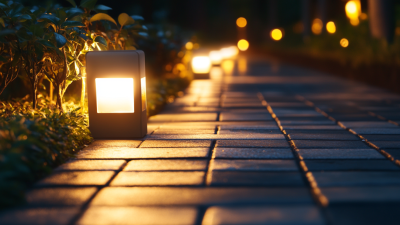
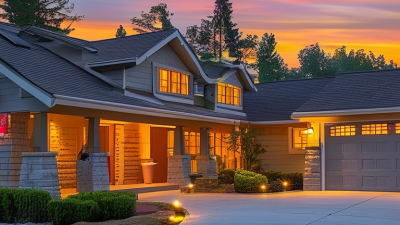
Pathway Lights are outdoor fixtures designed to guide people safely along walkways, garden paths, steps, and driveways. They add gentle illumination without overwhelming nearby plants or windows. A typical fixture includes a housing, light source, wiring or battery, and a protective cover. Modern models commonly use energy-efficient LEDs, while solar versions store daytime energy in rechargeable batteries.
Their operation is straightforward. A low-voltage transformer sends controlled electricity through outdoor cable to each fixture. Solar units use a small panel, light sensor, and battery instead. At dusk, the sensor activates the lamp automatically. Some advanced systems also include timers, motion sensors, or smart controls. The result should be a soft, even glow rather than harsh pools of brightness.
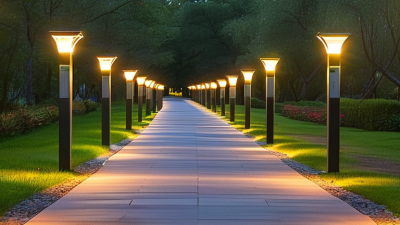
Placement matters greatly. Fixtures spaced too closely can create glare, while widely separated lights may leave dark gaps. Staggering them along both sides often produces a more natural effect. Weather-resistant construction, secure cable connections, and stable mounting are equally important. Always follow the manufacturer’s installation instructions and local electrical requirements.
In practical use, warm white light usually feels more welcoming around homes. Cooler light can improve visibility but may appear stark beside greenery. No layout is perfect. Shadows change with seasons, landscaping, and furniture. Testing a few fixtures at night can reveal problems that daytime planning misses. This article explains how Pathway Lights work, what components they use, and how thoughtful selection can improve safety, comfort, and outdoor appearance.
Definition and Purpose of Pathway Lights
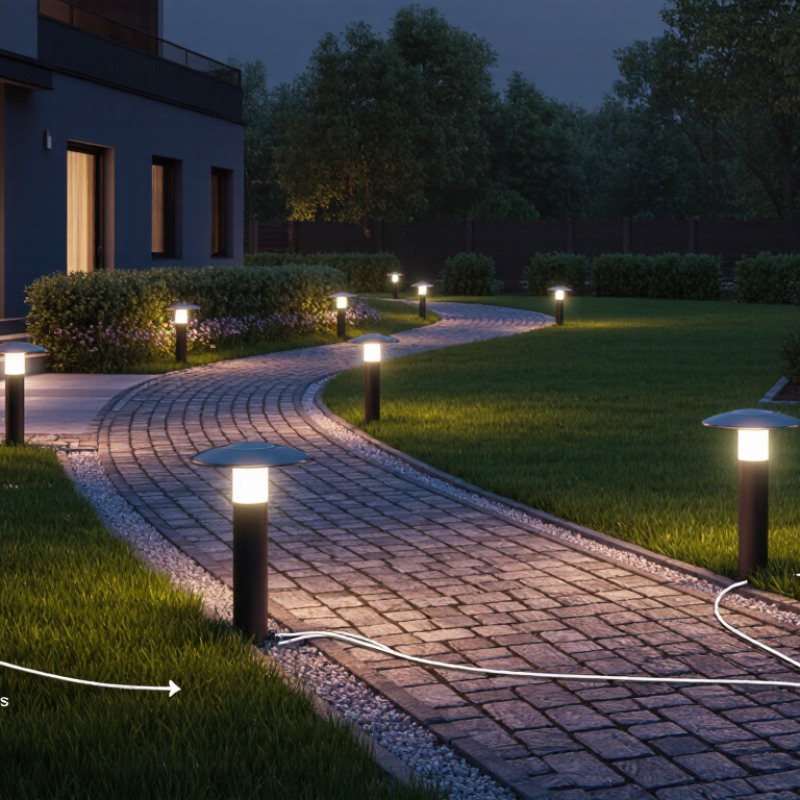
Pathway lights are low-mounted fixtures that illuminate walkways, steps, garden borders, and driveway edges. Their purpose is practical: they help people see changes in height, wet surfaces, and obstacles after sunset. They also shape movement through a property. A soft pool of light can guide visitors without making the path feel exposed.
Most systems use LED bulbs, solar panels, or low-voltage wiring.
The U.S. Department of Energy reports that LEDs use at least 75% less energy and last up to 25 times longer than incandescent lighting. That matters when several fixtures operate every evening.
Good pathway lighting should guide, not glare. Fixture height, spacing, beam direction, and color temperature all affect comfort. A light placed too close to a step may create a harsh shadow behind it. Wider spacing often produces a calmer, more even pattern.
DarkSky guidance also supports shielded fixtures and warmer light, which can reduce unwanted sky glow. Still, “more visible” does not always mean “safer.” I have seen attractive paths become uncomfortable because every stone was overlit. The design can miss its purpose.
Tips:
Keep lights below eye level where possible. Aim beams downward. Test spacing at night before permanent installation. Select weather-resistant housings for exposed areas. Solar units are convenient, but winter shade and cloudy weather can reduce their output.
The International Energy Agency has linked efficient lighting with major electricity savings, yet small outdoor systems still deserve careful control. Timers, motion sensors, or dimming can prevent needless overnight use. Some paths simply need less light.
Main Components and Lighting Technologies
Pathway lights are low-mounted fixtures that guide movement along walkways, steps, and garden edges. Their main components include a housing, lens, light source, driver, stake, and cable or battery system. The housing shields electrical parts from rain and impact. The lens shapes the beam, reducing glare near eye level. A stable stake matters too. Poor alignment can turn a safe path into an uneven patchwork of bright and dark areas.
Most modern pathway lights use light-emitting diodes (LEDs). LEDs convert electricity into light through a semiconductor, while a driver regulates current and protects the circuit. Solar models add a photovoltaic panel, rechargeable battery, and charge controller. Some systems use photocells or timers, while others respond to motion. The U.S. Department of Energy’s Solid-State Lighting R&D Opportunities report identifies efficacy, controls, and long service life as continuing industry priorities (U.S. DOE, 2023). The International Energy Agency also reports that LEDs now represent more than half of global lighting sales, reflecting their efficiency and falling costs (IEA, 2024).
Color temperature affects comfort. Warm light, around 2700–3000K, usually suits residential paths. Optical shields can direct light downward and reduce wasted spill. In field installations, however, advertised performance may not match real conditions. Dirt on lenses, aging batteries, wet soil, and nearby foliage can reduce output. I would also question excessive brightness. More light is not automatically safer; consistent spacing and controlled glare often work better.
How Pathway Lights Operate
What Are Pathway Lights and How Do They Work?
How Pathway Lights Operate
Pathway lights guide people along walkways after sunset. They usually use LED bulbs, which produce steady light with low energy use. Solar models collect daylight through a small panel and store energy in an internal battery. Wired models receive power through a low-voltage transformer connected to an outdoor circuit. A photocell or timer controls when the lights turn on. Some systems use both controls for better efficiency.
Inside each fixture, electrical energy reaches the LED through a simple circuit. The LED converts that energy into light with limited heat. A diffuser spreads the beam across the path instead of creating one harsh spot. Light output depends on the fixture’s height, angle, and lens design. It also changes when nearby plants grow.
Placement affects performance more than many people expect. Installers often space lights evenly, but strict symmetry can look unnatural. Too much spacing leaves dark sections. Too little spacing creates glare. In practice, uneven ground can shift a fixture after heavy rain or foot traffic. I have seen one tilted stake illuminate a flower bed instead of the walkway. A small error matters.
Maintenance keeps the system reliable. Dirt can reduce solar charging and soften the light. Check cables, batteries, stakes, and lenses during seasonal inspections. Follow local electrical requirements for outdoor wiring. Use a qualified professional when the installation involves complex connections. Good planning helps, yet every pathway still needs occasional adjustment.
Types of Pathway Lights and Their Uses
Pathway lights are compact outdoor fixtures that illuminate walkways, steps, and garden edges. They guide movement while reducing dark corners near a home. Most use LED bulbs because LEDs consume less energy and produce steady light. Their value is practical, not merely decorative.
Solar pathway lights suit small gardens and areas without nearby wiring. They charge during daylight, then switch on automatically after sunset. Low-voltage wired lights provide more reliable brightness during cloudy weather. Recessed lights sit nearly flush with paving and create a clean, subtle line. Bollard lights stand higher, making them useful along driveways or wider paths. Use spotlights when a tree, sign, or change in level needs stronger emphasis. Keep it balanced. Too much light can hide depth and create glare.
Good placement matters more than buying many fixtures. Set lights beside the path, not directly in the walking line. Leave enough spacing to avoid a runway effect. In a small garden, alternating fixtures often gives softer coverage than placing them opposite each other. I once saw tightly grouped lights make a short path look strangely bright and narrow. That mistake is easy to repeat. Check beam direction, weather resistance, cable protection, and the surface around each fixture. Warm light usually feels comfortable, but cooler light may reveal steps more clearly. Test the layout after dark before fixing everything permanently.
What Are Pathway Lights and How Do They Work?
Pathway lights are outdoor fixtures that illuminate walkways, steps, driveways, and garden edges. They typically use solar energy, low-voltage electricity, or standard mains power to operate an LED or halogen light source.
The chart shows representative power-draw ranges for common residential pathway-light types. LED fixtures generally use less electricity than halogen fixtures, while solar lights operate without a wired power connection but depend on available sunlight and battery capacity.
Solar Pathway Lights
Best for simple installation along garden paths and areas without electrical wiring.
Low-Voltage LED Lights
Suitable for regular illumination of walkways, steps, patios, and driveways.
LED Bollard Lights
Useful when stronger, more directional lighting and greater fixture height are needed.
Halogen Pathway Lights
Provide warm illumination but usually consume more power and produce more heat than LED alternatives.
Installation, Placement, and Maintenance Considerations
What Are Pathway Lights and How Do They Work?
Pathway lights are low-level fixtures that guide people along walkways, steps, and garden edges. They usually use LEDs, which convert electrical energy into focused light. Solar models store daytime energy in batteries, while wired models connect to low-voltage systems. The U.S. Department of Energy reports that LEDs use at least 75% less energy and last up to 25 times longer than incandescent lighting.
Installation needs careful placement, not simply equal spacing. Set fixtures beside the walking line, leaving enough clearance for shoes, wheelbarrows, and lawn equipment. Staggering lights on both sides often reduces harsh shadows. Avoid placing them directly at eye level, especially near steps. A 2022 lighting study by the U.S. Department of Energy found that better outdoor lighting design can improve visibility while reducing unnecessary energy use. I once installed lights too close together. The path looked flat and overlit. It needed less light, not more. Real sites can challenge neat plans.
Tips: Test the layout after sunset before burying cables. Keep light sources shielded from bedrooms and neighboring windows. Choose warmer color temperatures, preferably 3000K or below, to limit glare and reduce disruption to nighttime surroundings. Clean lenses every few months, remove leaves from solar panels, and inspect cable connections after heavy rain. Replace damaged seals quickly. Small failures become expensive ones. Recheck the spacing each season, because plants grow, paths shift, and the original design may stop working.