Chat with us, powered by LiveChat

What Is an Electric Mini Truck?

An electric mini truck is a compact utility vehicle powered by an electric motor and rechargeable battery. Unlike a full-size pickup, it is designed for lighter loads and shorter trips. Its small footprint can make narrow farm lanes, warehouses, campuses, and crowded work sites easier to navigate. Electric Mini Trucks often include a cargo bed, simple controls, and charging equipment, though features differ by model. Small, but useful.

The term does not describe one universal vehicle. Payload, range, speed, cabin layout, and charging time can vary considerably. A buyer should check the manufacturer’s specifications and consider the real route, expected load, weather, and access to charging. A quoted range is a guide, not a promise. Heavy cargo, steep ground, or frequent stops may change daily performance. That detail is easy to overlook.

This guide explains how electric mini trucks work, what their main parts do, and where they may fit into everyday operations. It also considers practical trade-offs, including battery capacity, upkeep, comfort, and the limits of a smaller vehicle. Their quiet operation and local, tailpipe-free driving can be appealing, but they are not automatically the right choice for every job. The honest answer depends on the work. A careful comparison of specifications and needs can help readers decide whether an electric mini truck is a useful tool—or simply too limited for the task.
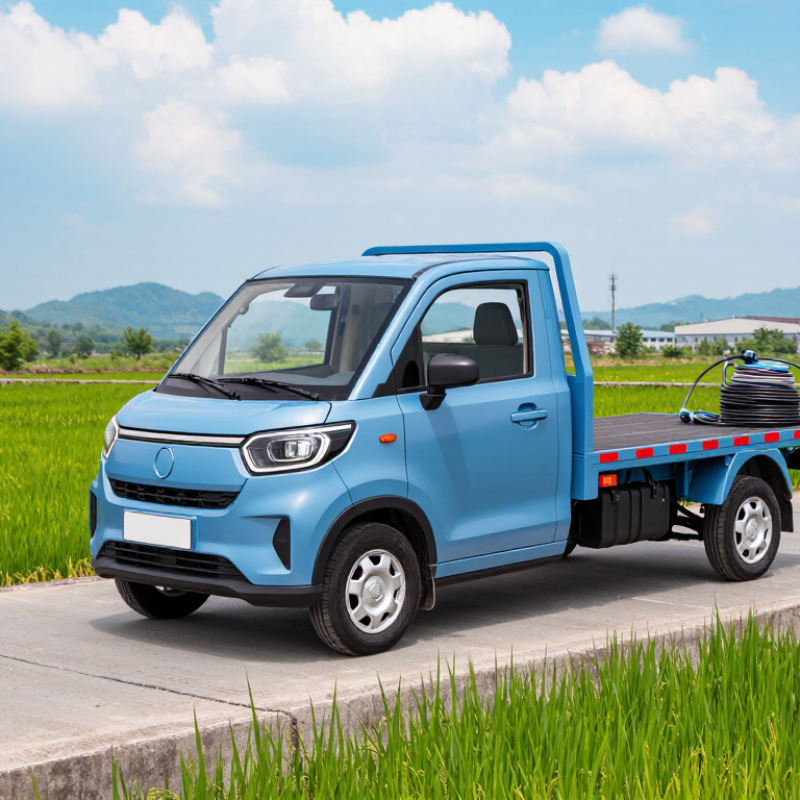
What Is an Electric Mini Truck?

Definition and Key Characteristics of an Electric Mini Truck

What Is an Electric Mini Truck?

An electric mini truck is a compact utility vehicle powered by an electric motor and rechargeable battery. It is designed to move people, tools, or light cargo over short or moderate distances. Many models have a small cab, a flat cargo bed, and a tighter turning circle than a full-size truck. The exact layout and carrying capacity vary, so check the vehicle’s specifications before choosing one.

Its key characteristics include battery-powered operation, modest dimensions, and practical cargo space. The motor delivers power without a conventional fuel-burning engine, while the battery determines how much energy is available between charges. Real-world range can change with load, hills, temperature, and driving speed. A bed may fit garden supplies or work equipment, but bulky items can still be awkward to secure. Compact does not mean limitless.

Tips: Compare payload, bed dimensions, charging time, and expected daily distance. Picture your heaviest usual load, not just an empty truck. Also consider where it will charge and whether the route includes steep slopes. A small vehicle can be convenient in a crowded work yard, yet less suitable for long trips. That trade-off is easy to underestimate.


How Its Electric Powertrain and Battery Work

An electric mini truck is a compact work vehicle powered by electricity stored in a rechargeable battery. Its powertrain usually includes the battery pack, an inverter, an electric motor, and a reduction gear. The battery supplies direct-current electricity; the inverter adjusts it for the motor. The motor then turns the wheels through gearing, often with fewer moving parts than a conventional engine. During braking, regenerative systems can send some energy back to the battery. The result is quiet. At low speeds, that can make loading areas easier to work in, though pedestrians may notice the truck less readily.

A battery management system monitors cell voltage and temperature to help keep the pack operating within safe limits. Depending on the design, cooling or heating systems can help manage battery temperature in hot weather or cold mornings. Charging time varies with the charger, battery size, and starting charge level. Payload matters, too: carrying dense materials or climbing a long grade can use energy faster than light, flat-route work. I would not treat the dashboard range as a promise; weather, load, and driving habits all affect it. That caveat matters. The useful question is whether the truck’s real route and charging routine fit the job.

Common Designs, Sizes, and Payload Capacities

An electric mini truck is a compact work vehicle, usually built around a short cab and a rear cargo area. Common designs include an open flatbed for bins or equipment, a dropside bed for easier loading, and a small dump bed for loose materials. Enclosed bodies help protect parcels from rain. Some models use a cab-over layout, placing the driver above the front wheels to keep the vehicle short and maneuverable.

Small, but useful.

Many compact versions are roughly 3 to 4 metres long and 1.4 to 1.7 metres wide, though dimensions vary by body style. A narrow truck can fit tight paths, but its bed may not hold bulky loads.

Rated payloads range from a few hundred kilograms to around 1,000 kilograms on many utility models; heavier-duty versions may carry more. Check the vehicle’s stated payload, not just the bed’s apparent capacity. The rating may account for occupants and fitted equipment, so adding tools can reduce the remaining cargo allowance.

That detail is easy to miss. Heavy loads can also reduce driving range, especially on hills or frequent stop-start routes.

A sensible choice matches the truck’s rated capacity to real cargo, not an occasional best-case load.

Typical Uses in Commercial and Everyday Settings

An electric mini truck is a compact, battery-powered vehicle designed to carry people, tools, or goods over shorter routes. Its small footprint can make narrow service roads and crowded work areas easier to navigate. The quiet motor is useful near offices, campuses, and residential buildings. Quiet does not mean effortless, though: operators still need to plan charging and loading.

In commercial settings, these trucks often move supplies between warehouses, workshops, farms, and job sites. A maintenance crew might load ladders, hand tools, and replacement parts, then make several stops across a large property. Hotel staff can use one to transport linens or waste bins along private service routes. On farms, a truck may carry feed or harvest crates between storage areas. Payload limits matter. So does the surface; soft ground or steep slopes can reduce efficiency and stability.

For everyday use, an electric mini truck can help with gardening, small renovation projects, or carrying bulky purchases that do not fit in a car. A household might load bags of soil beside the driveway and unload them near a backyard shed. That convenience has trade-offs. The bed may be short, cabin space limited, and cold weather can affect battery performance. It is worth checking the route, expected load, charging access, and local vehicle requirements before choosing one. A short test drive with a realistic load can reveal more than a specification sheet.

What Is an Electric Mini Truck? - Typical Uses in Commercial and Everyday Settings
Setting Typical Use Why an Electric Mini Truck Fits Practical Considerations
Warehouses and industrial sites Moving tools, components, supplies, and packaged goods between work areas. Compact vehicles can navigate many site roads and make frequent short trips without producing tailpipe emissions while operating. Check payload, cargo-bed dimensions, turning space, and whether the site has suitable charging access.
Farms and orchards Transporting feed, produce, fencing materials, and equipment around the property. Short, repeat journeys may suit electric operation, and a small footprint can be useful on narrow internal routes. Confirm ground clearance, tire suitability, traction, and capacity for the terrain and loads involved.
Landscaping and grounds maintenance Carrying plants, soil, hand tools, and collected green waste between work areas. A cargo bed supports local material movement, while electric operation can reduce on-site exhaust and engine noise. Range depends on the vehicle, load, terrain, temperature, and driving conditions; plan charging around the workday.
Campuses, resorts, and large properties Delivering supplies, moving maintenance equipment, or supporting facilities teams on private roads. Many tasks involve low-speed travel over relatively short distances, which can align well with an electric vehicle's operating profile. Verify permitted routes, speed limits, passenger rules, and any local requirements for using the vehicle on public roads.
Urban local deliveries Carrying parcels, groceries, or business supplies over short, planned routes. A smaller vehicle can be easier to maneuver and park than a full-size truck in some dense delivery areas. Compare usable cargo volume and payload with the delivery needs; charging time and route length matter.
Home and neighborhood tasks Hauling garden supplies, tools, or bulky items around a property or on suitable local roads. Can provide practical cargo capacity for short-distance tasks without requiring a full-size pickup. Road legality, registration, insurance, and required safety equipment vary by jurisdiction and vehicle type.

An electric mini truck is a compact, battery-powered utility vehicle designed mainly for carrying cargo over short or moderate distances. Specifications and permitted uses vary by model and jurisdiction, so check the vehicle’s rated payload, range, charging requirements, and local regulations before use.

Benefits, Limitations, and Ownership Considerations

An electric mini truck is a small, battery-powered work vehicle designed for short trips, light hauling, and tight spaces. Picture a narrow service lane, a few toolboxes, and repeated stops across a campus or farm. Its small footprint can make parking and maneuvering easier. The useful question is not just how far it travels, but what it carries and where it charges.

Electric drivetrains can be efficient. The U.S. Department of Energy’s Alternative Fuels Data Center estimates that electric vehicles convert about 77% of grid electricity into power at the wheels, compared with roughly 12%–30% for gasoline vehicles. Fewer engine-related service needs may also simplify routine maintenance.

Still, efficiency does not guarantee lower ownership costs. BloombergNEF’s 2024 Battery Price Survey reported an average lithium-ion pack price of $115 per kilowatt-hour, down 20% from 2023. That is a battery-market benchmark, not a promise of a cheaper vehicle.

Range, payload, charging access, and downtime deserve a practical check.

A cold morning, a heavy load, or a long detour can change the day’s plan. Small details matter. Before buying, map a typical work route and compare it with real operating conditions, not just advertised range. Confirm charging time, battery warranty, parts access, and local road-use requirements. I would not assume every small truck is automatically economical; a poor fit can leave useful capacity unused, or demand more charging stops than expected.