How to Choose the Best Lithium Battery for Your Car?
Choosing the right Lithium Battery Car can significantly enhance your driving experience. It is essential to consider various aspects when making this decision. Lithium batteries are lighter and have a higher energy density compared to traditional batteries. This means they can provide more power to your vehicle while reducing weight.
Not all Lithium Battery Car options are created equal. Some might not perform well in extreme weather conditions. Others may have a shorter lifespan or limited warranty. Capacity and voltage ratings are crucial factors to evaluate. Look for batteries with ample power for your specific vehicle needs.
Finally, you should think about the brand reputation and reviews. Some companies may promise exceptional performance but fail to deliver. Research and gather opinions from other users to ensure a reliable choice. It's easy to overlook these details, but doing so could lead to an unsatisfactory experience with your Lithium Battery Car.
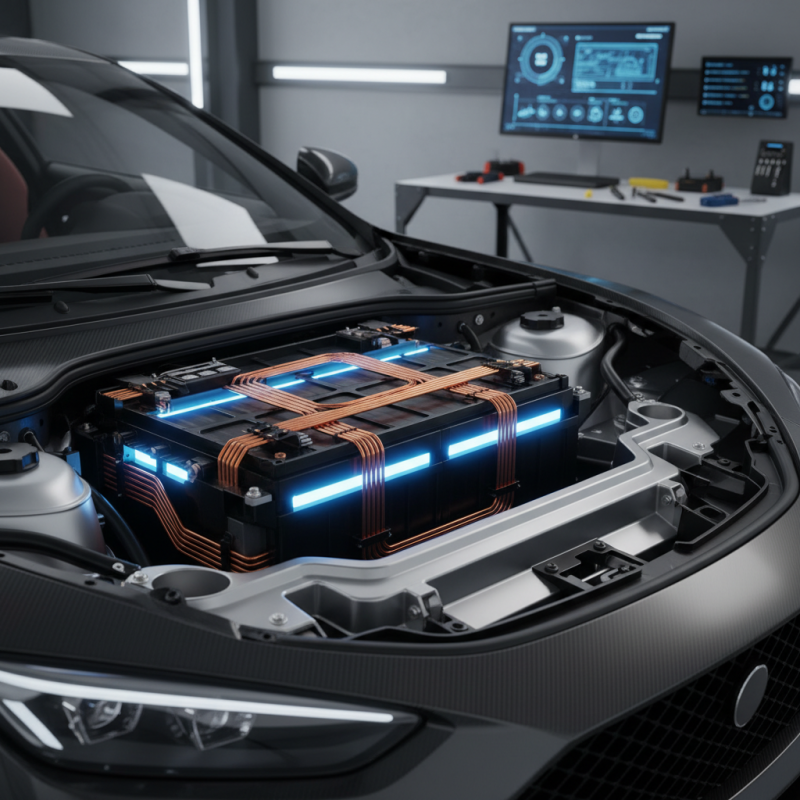
Understanding Lithium Battery Types for Automotive Use
When selecting a lithium battery for automotive use, understanding the types is crucial. Lithium iron phosphate (LiFePO4) batteries are popular. They offer safety and thermal stability. This type has a longer lifespan, often exceeding 2000 charge cycles. This can be compelling when considering battery replacements. In contrast, lithium polymer (LiPo) batteries are lighter and more adaptable but carry risks during usage. They can swell or burst if mishandled.
Different lithium batteries deliver various voltage and capacity levels. A typical LiFePO4 battery operates at 12.8V, while LiPo batteries can range from 3.7V to 22.2V. Automotive needs often dictate these specifications. Performance can be affected by temperature, battery management systems, and overall vehicle design. Data indicates that a properly maintained lithium battery can maintain 80% capacity after 10 years. However, poor maintenance severely impacts longevity and performance.
When choosing, consider weight and cost. Advanced lithium batteries tend to be pricier. However, the benefits typically justify the initial expense. Take the time to evaluate your specific needs carefully. Rushing can lead to poor battery performance and safety risks. Each battery type has strengths and weaknesses, making informed choices essential for your vehicle.
Evaluating Capacity and Performance Metrics of Lithium Batteries
Evaluating capacity and performance metrics is crucial when selecting the best lithium battery for your vehicle. Capacity is measured in amp-hours (Ah). A higher capacity means more energy storage, and this translates into longer drive times. Consider your usual driving habits. If you frequently travel long distances, look for batteries with higher Ah ratings.
Performance metrics also include discharge rates and cycle life. Discharge rates indicate how quickly the battery can release energy. A battery that discharges too slowly may lead to sluggish performance. Cycle life refers to how many times the battery can be charged and discharged before losing performance. Longer cycle life means better longevity and less frequent replacements.
Don’t overlook the physical dimensions. Size is essential for fit within your vehicle. Ensure that the selected battery will not cause any physical obstruction. Lastly, consider the environmental conditions. Extreme temperatures can affect battery performance. Reflect on your local climate and choose a battery that can withstand those conditions effectively.
Key Factors to Consider When Selecting a Lithium Battery
When selecting a lithium battery for your car, several key factors should be on your radar. First, consider the capacity. Lithium batteries typically range from 20Ah to over 100Ah. The right capacity depends largely on your vehicle's needs. Insufficient capacity could lead to performance issues. Research indicates that approximately 70% of battery issues arise from incorrect capacity selection.
Next, check the weight and size. Lithium batteries are often lighter than traditional lead-acid ones, which helps improve vehicle efficiency. This weight difference can be crucial, especially in performance vehicles. A lighter battery may enhance acceleration and handling. However, not all spaces can accommodate these batteries, so measuring your available space is essential.
Lastly, think about the temperature range. Lithium batteries perform better in moderate temperatures. Industry reports show that performance can degrade significantly in extreme cold or heat. Specifically, battery efficiency can drop by up to 20% in colder climates. Opting for a battery rated for your typical climate can save you frustration later on. Understanding these aspects is vital, as a simple mistake in selection can lead to dissatisfaction and ongoing performance problems.
Assessing Compatibility with Your Vehicle's Electrical System
When selecting a lithium battery for your vehicle, compatibility with the electrical system is crucial. Different cars have varying requirements. Consider the voltage needed—most cars use 12V systems. Check if your car supports lithium batteries, as some older models may not.
Tips: Ensure your car's alternator can manage the lithium battery’s charging needs. Some chargers are not compatible. Look up your car's specifications to avoid issues.
Understand the dimensions of the battery space in your vehicle. A battery that is too large won’t fit. A battery that is too small may not perform. It's important to measure carefully and compare options.
Tips: Read user reviews and forums. Others’ experiences can offer valuable insights. Some users may mention issues that you have not considered. Be cautious of these details as they can save you time and money.
Comparing Cost and Warranty Options for Lithium Batteries
When considering lithium batteries for your car, cost and warranty options play a crucial role. According to a 2023 industry report, the average cost of a high-quality lithium battery ranges from $1,000 to $3,000. This price variability often reflects performance features and battery capacity. Cheaper options may seem appealing, but they may lack the longevity and reliability that drivers need.
Warranties are equally important. Many batteries offer warranties ranging from 5 to 10 years. A longer warranty typically indicates better quality. Some reports suggest that batteries with extended warranties are less prone to failure, reducing long-term costs. However, be wary of terms and conditions. Some warranties may not cover certain types of damage or degradation. It's essential to read the fine print carefully.
Moreover, consider the cycling stability of lithium batteries. A battery that lasts 2,000 cycles will ultimately be more cost-effective than a cheaper one that lasts just 1,000 cycles. You may save upfront, but higher cycle count translates to better performance. Balancing initial costs against warranty and longevity becomes paramount when making your decision.
Comparison of Lithium Battery Costs and Warranty Periods for Cars