How to Choose the Best Solar Pathway Lights for Your Garden?
As gardens become more integral to our living spaces, the choice of outdoor lighting is crucial. Solar Pathway Lights not only enhance the beauty of your garden but also offer environmental benefits. According to a report by Research and Markets, the global solar lighting market is expected to grow by 20% annually, reflecting the increasing preference for sustainable energy solutions.
Industry expert Dr. Emily Green emphasizes the importance of quality in solar lighting. She states, "Choosing the right solar lights can significantly influence energy savings and aesthetic appeal." The selection process can feel overwhelming with numerous options available. Understanding the key features of Solar Pathway Lights can guide homeowners to make informed decisions.
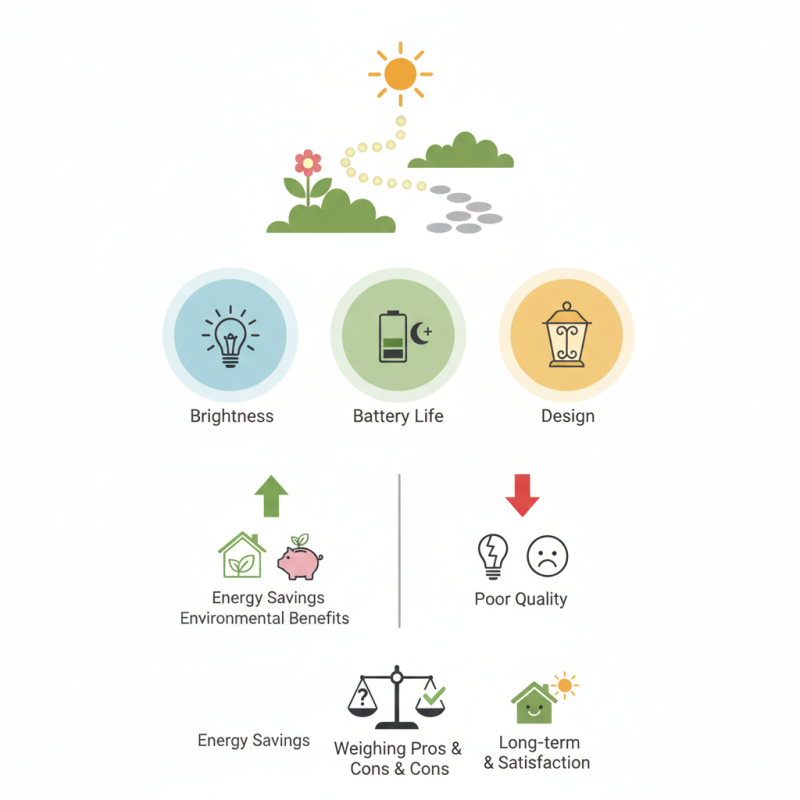
A variety of factors influence the effectiveness of these lights. Factors like brightness, battery life, and design are vital. However, some designs may not perform as expected. Poor quality can lead to underwhelming performance and dissatisfaction. It's essential to weigh pros and cons carefully before purchasing. An informed choice leads to long-term benefits and satisfaction in outdoor spaces.
Factors to Consider When Selecting Solar Pathway Lights
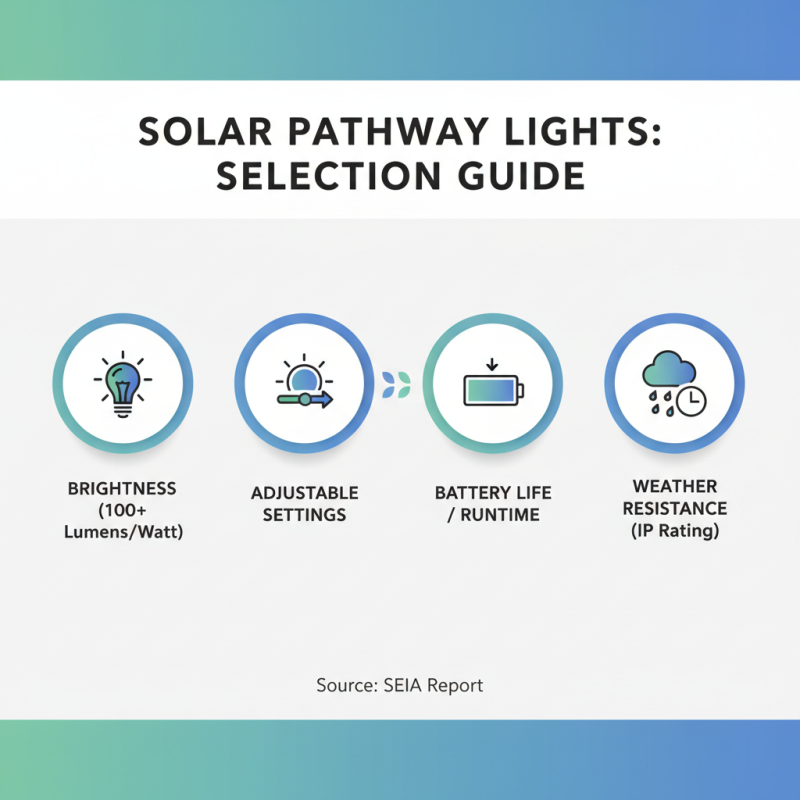
When selecting solar pathway lights for your garden, several factors play a crucial role in making the right choice. First, consider the brightness level. A report by the Solar Energy Industries Association (SEIA) indicates that an efficient solar light provides at least 100 lumens per watt. This brightness can ensure safety while enhancing the aesthetics of your garden. Additionally, looking for adjustable brightness settings may allow you to customize the lighting according to specific needs.
Choosing the right materials also affects longevity and appearance. The best options often incorporate durable materials like stainless steel or high-grade plastic. A study by the American Society for Testing and Materials suggests that lights resistant to extreme weather last longer. Weatherproofing is key, especially in areas with harsh climates. However, not all products advertise this feature effectively, which requires careful research.
Lastly, consider charging times. A reliable solar light should fully recharge within 6 to 8 hours of sunlight. Despite this, user reviews often reflect a range of experiences. Some lights may underperform, failing to maintain consistent brightness throughout the night. Always analyze customer feedback and product specifications for these insights. Investing time in understanding these details can prevent disappointment and ensure satisfactory lighting in your garden.
Types of Solar Pathway Lights Available in the Market
When it comes to enhancing your garden with solar pathway lights, understanding the various types available is crucial. Solar pathway lights typically fall into several categories, including stake lights, wall-mounted fixtures, and lantern-style lamps. According to the Solar Energy Industries Association, the popularity of solar lighting has surged by over 30% in recent years, reflecting a growing preference for eco-friendly options.
Stake lights are among the most common. They are easy to install and versatile, providing basic illumination along pathways. Many models offer adjustable brightness settings, allowing you to customize the light based on your needs.
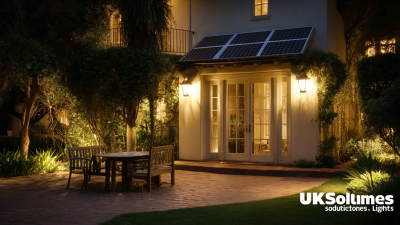
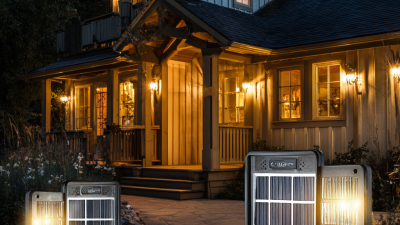
Wall-mounted fixtures, on the other hand, can create a dramatic effect by highlighting garden features. They tend to be more stable and durable, although they require mounting skills.
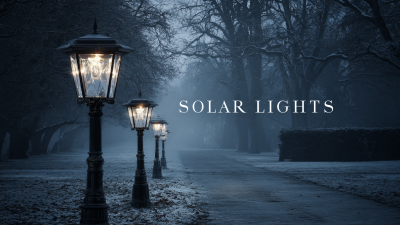
Lantern-style lamps add a decorative touch and can be used on tabletops or hung from trees.
Tip: Look for models with a solar panel efficiency rating above 20%. Higher efficiency means better charging during the day. Reflect on your garden's aesthetic and choose styles that blend seamlessly. Don’t overlook the importance of battery capacity. A light with a poor battery may not last through the night, even with a full charge. Always double-check user reviews for insights on lasting performance.
Determining the Brightness and Color Temperature for Your Needs
Choosing the right brightness and color temperature for solar pathway lights is crucial. Brightness is usually measured in lumens. Studies show that outdoor lighting should range from 100 to 150 lumens for effective illumination of pathways. This level provides safety and enhances the aesthetics of the garden.
Color temperature significantly influences ambiance. It is measured in Kelvins (K). Warm white light (around 2700K to 3000K) creates a cozy atmosphere. In contrast, cooler temperatures (4000K to 6000K) offer a modern look but can feel harsh. Many garden experts recommend warm white for pathways, particularly in residential areas. This balance promotes both comfort and visibility.
Quality matters. Not all lights have the same output. A 2020 industry report highlights that lower-quality solar lights may produce inconsistent brightness. Inadequate color rendering can lead to misjudgments about space and safety. Buyers should seek detailed specifications to ensure that the products meet their lighting needs. The right choice enhances both safety and beauty. Choose wisely.
How to Choose the Best Solar Pathway Lights for Your Garden?
| Feature |
Description |
Importance |
| Brightness (Lumens) |
Measured in lumens, indicates the light output level. |
High importance for visibility and safety. |
| Color Temperature (Kelvin) |
Describes the warmth of the light; warmer tones (2700K-3000K) offer cozy lighting. |
Moderate importance based on aesthetic preference. |
| Solar Panel Efficiency |
Indicates how effectively the solar panel converts sunlight into electricity. |
High importance for battery charge and duration of light. |
| Battery Capacity (mAh) |
Determines how long the light will run after charging. |
Critical for ensuring adequate lighting at night. |
| Material Quality |
Refers to the durability and resistance to weather conditions. |
High importance for longevity and maintenance. |
| Design and Aesthetics |
Visual appeal and how the light fits in with the garden decor. |
Moderate importance based on personal taste. |
Evaluating the Battery Life and Charging Time of Solar Lights
When choosing solar pathway lights, battery life and charging time play crucial roles. The efficiency of a solar light largely depends on its battery. A longer battery life ensures that your lights will shine brightly throughout the night. Typically, good batteries can last from 6 to 12 hours after a full charge.
Charging time varies widely among solar lights. Most models require 6 to 8 hours of direct sunlight for a full charge. However, some may need as little as 4 hours or as long as 10 hours. It’s essential to assess where you plan to place your lights. In shady areas, inefficient charging can lead to reduced performance.
Tips: Look for lights with larger solar panels for faster charging. Consider the angle of sunlight exposure in your garden when selecting a spot for installation. It’s worth pondering whether your lights can sustain a full night's illumination. If not, assess how that impacts the atmosphere you wish to create. Evaluating both battery life and charging time can lead to a more satisfying choice for your outdoor space.
Design and Aesthetic Compatibility with Your Garden Style
Choosing solar pathway lights for your garden involves more than just function. Design and aesthetics should align with your garden's style. A well-designed light can enhance the beauty of your space. According to the American Society of Landscaping Architects, 76% of homeowners prioritize outdoor aesthetics. Selecting lights that complement the existing landscape can elevate the overall appeal.
Consider the materials and colors of your pathway lights. For a rustic garden, lights made from bronze or wrought iron can add a traditional charm. On the other hand, sleek aluminum designs work well in modern spaces. Reports indicate that gardens with cohesive designs can boost property values by as much as 15%. Each light should harmonize with plants and paths.
Placement is crucial as well. Clustered lights create a cozy atmosphere, while evenly spaced lights provide safety and clarity. However, too many lights can lead to clutter. Finding the right balance can be challenging. Experimenting with different arrangements may yield unexpected results. Focus on creating a cohesive theme that tells a story, all while ensuring functionality and safety throughout your garden space.