What Are Bollard Lights? Benefits, Types, and How to Choose the Right Ones
Bollard lights are an essential component in modern outdoor lighting design, serving not only to illuminate pathways and landscapes but also to enhance safety and aesthetic appeal. According to the 2022 Outdoor Lighting Market Report by the Lighting Research Center, the demand for bollard lights has increased by 35% over the past five years as urban spaces seek to improve their lighting solutions. These versatile fixtures come in various designs and functionalities, making them suitable for everything from residential gardens to commercial settings.
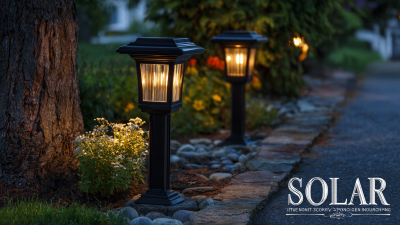
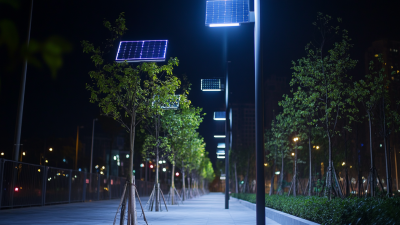
Industry expert and lighting designer, Dr. Emily Carter, emphasizes the significance of bollard lights, stating, “The right bollard lights can transform a simple walkway into a welcoming environment, guiding both pedestrians and vehicles with their strategic placement.” With a multitude of options available, including solar, LED, and traditional designs, understanding the benefits and types of bollard lights is crucial for making informed decisions. This article will delve into their advantages, explore the various types available, and provide guidance on how to select the right bollard lights for your specific needs.
Understanding Bollard Lights: Definition and Purpose
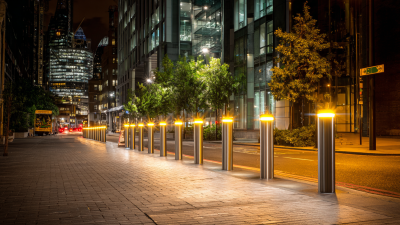
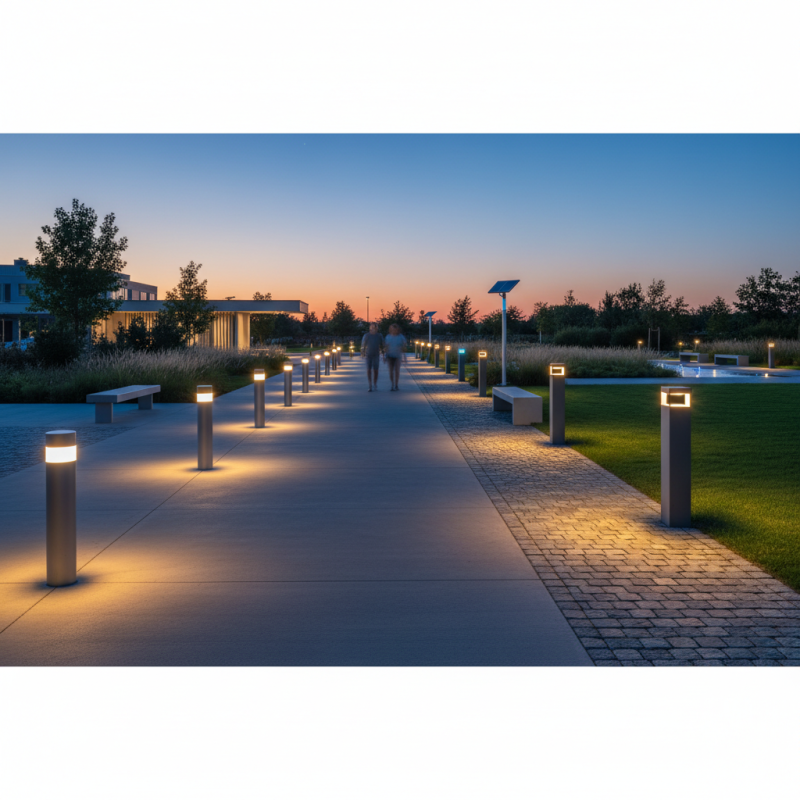
Bollard lights are elegant and functional lighting fixtures commonly used in outdoor settings, designed primarily to enhance safety, security, and aesthetics in public and private spaces. These short, vertical posts are typically built to illuminate pathways, driveways, parking lots, and garden areas. According to the International Association of Lighting Designers (IALD), proper outdoor lighting is essential, as approximately 30% of reported accidents occur during low-light conditions. Bollard lights effectively address this issue by providing focused illumination, significantly improving visibility and reducing the risk of accidents.
The purpose of bollard lights extends beyond mere illumination; they also serve as a form of directional guidance. According to a recent report from the Illuminating Engineering Society (IES), well-placed bollard lights can enhance wayfinding and improve user experience in public spaces. The design versatility of these lights allows for the integration of various styles and materials, creating an inviting ambiance while ensuring safety. Furthermore, modern bollard lights can be equipped with LED technology, which the U.S. Department of Energy indicates can provide up to 75% energy savings compared to traditional lighting options. This efficiency not only lowers operational costs but also contributes to sustainable energy practices in urban development.
Key Benefits of Installing Bollard Lights in Outdoor Spaces
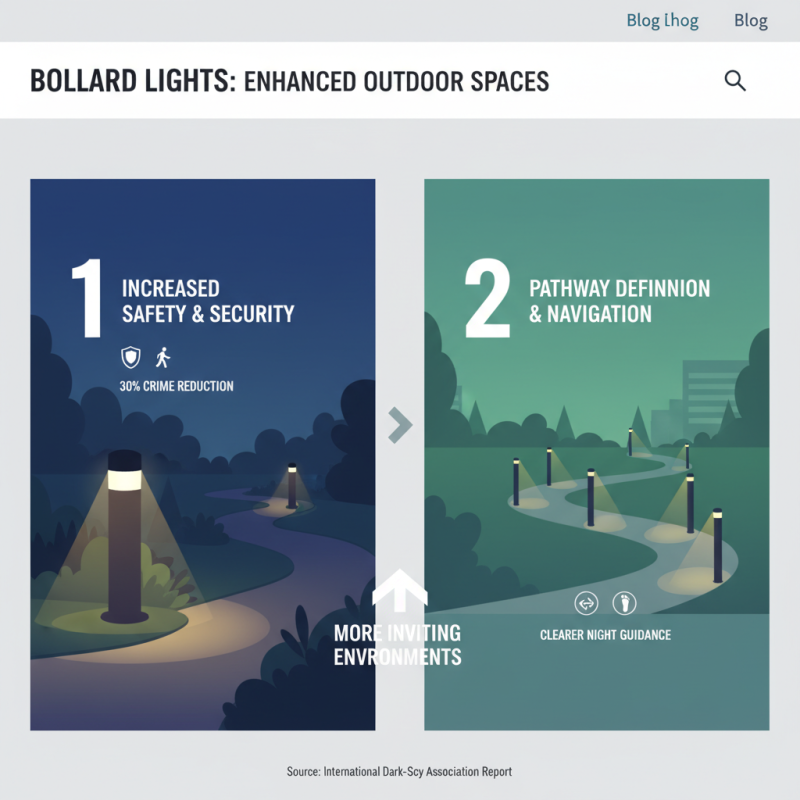
Bollard lights have emerged as a favored choice for enhancing outdoor spaces, delivering a range of benefits that extend beyond mere illumination. One of the key advantages of installing bollard lights is their capacity to enhance safety and security. According to a recent report by the International Dark-Sky Association, well-lit outdoor areas significantly reduce crime rates by over 30%, leading to a more inviting environment. Additionally, bollards are designed to define pathways and spaces, which can enhance navigation in parks, gardens, and commercial properties, making them safer for pedestrians at night.
Another compelling benefit is their versatility in design and functionality. Available in a variety of styles, heights, and materials, bollard lights can complement any aesthetic while serving practical purposes such as lighting walkways and driveways. A study from the Lighting Research Center indicates that engaging lighting design not only improves ambiance but also promotes the use of outdoor areas, with nearly 70% of participants in the study stating that proper lighting made them feel more comfortable and likely to use the space more frequently.
**Tips**: When choosing bollard lights, consider LED options, which not only reduce energy consumption by up to 80% but also have a longer lifespan than traditional bulbs. Furthermore, assess the brightness and color temperature of the lights to ensure they meet both your functional and aesthetic needs. For residential areas, opt for lower lumens to create a soft glow, while commercial applications may benefit from brighter, more focused lighting to enhance visibility.
Different Types of Bollard Lights: Styles and Materials Explained
Bollard lights have gained popularity in both residential and commercial settings due to their unique designs and functional benefits. They come in various materials, including concrete, metal, and plastic, each offering distinct advantages depending on the application. According to a report from the International Association of Lighting Designers, bollard lights made from robust materials like stainless steel are favored for their durability and resistance to harsh weather conditions. The choice of material not only influences the longevity of the installation but also its aesthetic appeal, with options ranging from sleek modern styles to more traditional, classic looks.
In terms of styles, bollard lights can be categorized into decorative, functional, and architectural types. Decorative bollards are designed with artistic forms and colors, making them ideal for enhancing outdoor spaces in parks or along walkways. Functional bollards, on the other hand, prioritize illumination and safety in areas such as parking lots and driveways, often featuring LED technology for energy efficiency and increased visibility. A study conducted by the Lighting Research Center highlights that LED bollard lights consume up to 80% less energy than traditional lighting methods, further reinforcing their appeal in contemporary landscape design. When selecting the right bollard light, it is crucial to consider the intended use, local climate, and aesthetic coherence with surrounding architecture to achieve an optimal balance between form and function.
Bollard Lights: Types and Their Popularity
Factors to Consider When Choosing the Right Bollard Lights
When choosing the right bollard lights, several factors come into play to ensure that the selected option meets both functional and aesthetic needs. First, consider the purpose of the bollard lights. Are they intended for safety, accent lighting, or wayfinding? The illumination level required will guide choices regarding brightness and light output. Additionally, the design should complement the surrounding environment; whether it’s a modern landscape or a classic decor, the style of the bollard can enhance or detract from the overall appeal.
Another crucial factor is the materials and durability of the bollard lights. They should withstand various weather conditions, especially if installed outdoors. Materials like stainless steel or durable plastics are often recommended for their resistance to rust and corrosion. Furthermore, consider energy efficiency; opting for LED bollard lights can significantly reduce energy consumption while providing long-lasting illumination. Lastly, installation requirements should be reviewed—some bollard lights may need professional installation, while others can be easily mounted by the user. Taking these aspects into consideration will help in selecting the most appropriate bollard lights for any setting.
What Are Bollard Lights? Benefits, Types, and How to Choose the Right Ones
| Dimension |
Details |
| Purpose |
Provide illumination, enhance safety, and define spaces. |
| Common Types |
Solar, LED, and traditional electric bollard lights. |
| Materials |
Aluminum, steel, concrete, and plastic. |
| Benefits |
Increased visibility, security, aesthetic appeal, and traffic management. |
| Factors to Consider |
Brightness, design, energy efficiency, and installation location. |
Installation and Maintenance Tips for Bollard Lighting Systems
When it comes to installing bollard lighting systems, careful planning and consideration are essential to ensure optimal performance and longevity. The first step in the installation process is selecting the appropriate location. Bollard lights should be positioned to provide adequate illumination while avoiding potential obstructions. It's important to consider the surrounding landscape, pathways, and any nearby structures that may interfere with the light's effectiveness. Once the locations are determined, ensure the ground is prepared correctly, which may involve digging holes for the fixtures and ensuring that the ground is level.
Maintenance of bollard lights is just as crucial as installation for ensuring their continued functionality. Regular inspections should be conducted to check for any signs of damage or wear, including cracks in the housing or malfunctioning bulbs. Cleaning the fixtures periodically will help maintain their brightness and aesthetic appeal, as dirt and debris can accumulate and obstruct the light. Additionally, it's advisable to check the wiring and connections for any signs of corrosion or wear. Establishing a routine maintenance schedule can extend the life of the bollard lights, making them a reliable source of illumination for your outdoor spaces.