Chat with us, powered by LiveChat

10 Best Smart Door Locks for Global Buyers

Choosing a Smart Door Lock for international use is not simply a matter of comparing prices or fingerprint features. Homes differ widely in climate, door construction, internet reliability, and household routines. A lock that performs well in a dry apartment may struggle beside a coastal entrance. Small details matter.

This guide examines ten leading Smart Door Lock options for global buyers. Each model is considered through practical questions: Does it fit common deadbolts? Can users unlock it during a network outage? How long does the battery last in real conditions? Are guest codes easy to create and remove? A physical key override also deserves attention. It is less fashionable, but sometimes more dependable.

Cybersecurity expert Bruce Schneier wrote, “Security is a process, not a product.” That principle guides this comparison. A connected lock needs strong encryption, regular firmware updates, privacy controls, and a carefully protected account. Buyers should also check local installation requirements and product support before ordering across borders. Standards and door dimensions are not universal.

The selection process is useful, but not perfect. Battery claims often come from controlled testing, rather than busy family homes. App quality can change after an update. Some rankings may favor convenience over long-term repairability. That is worth questioning.

Readers will find models for apartments, offices, rental properties, and larger homes. The best choice depends on risk, budget, door compatibility, and daily habits. No single lock wins everywhere. Practical fit matters more than impressive specifications.
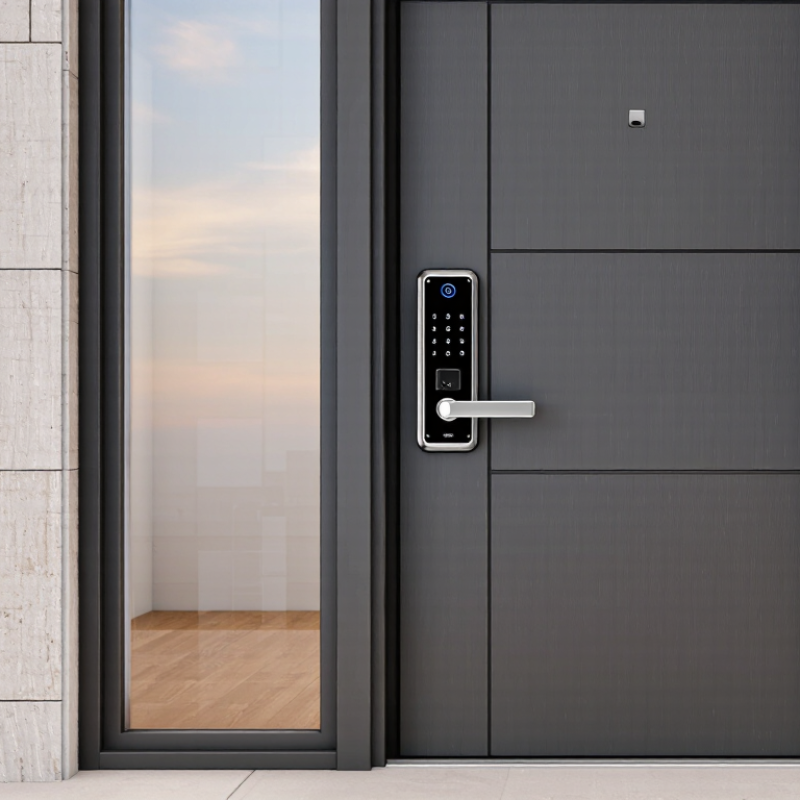
10 Best Smart Door Locks for Global Buyers

What Makes a Smart Door Lock Suitable for Global Buyers

10 Best Smart Door Locks for Global Buyers

What Makes a Smart Door Lock Suitable for Global Buyers

A global-ready smart door lock must fit real homes, not only showroom doors. Door thickness, cylinder size, handing, and installation space vary widely. Retrofit models can be practical for renters, while mortise locks suit new construction better. Check these dimensions before comparing app features. A beautiful keypad is useless if the latch does not align.

Power compatibility matters too. Buyers should verify battery type, charging options, and emergency entry methods. Some homes face weak internet or frequent power interruptions. Local Bluetooth control, mechanical override, and temporary offline codes can prevent a locked-out morning. The lock should also support major mobile systems and clear language settings. Translation quality is often overlooked.

Independent data shows why this category continues expanding. Grand View Research valued the global smart lock market at about USD 2.5 billion in 2023 and projected strong growth through 2030. MarketsandMarkets also identified residential security and connected-home adoption as major demand drivers. These figures describe market momentum, not product quality. That distinction matters.

Privacy requires closer inspection. Buyers should look for transparent data policies, encrypted communication, software updates, and adjustable sharing permissions. Regional support is equally important. Warranty coverage, replacement parts, and response times can differ sharply across borders. I have seen specifications look impressive while installation guidance remained vague. That is a warning sign. No checklist is perfect, but testing the lock with a dead battery, a poor signal, and wet hands reveals more than marketing claims.


Key Features to Compare in Smart Door Lock Models

Smart door locks now compete on more than keyless entry. Grand View Research valued the global smart lock market at about USD 2.8 billion in 2023 and expects strong growth through 2030. For global buyers, compare access methods first. A reliable model may support PIN codes, fingerprints, mobile credentials, temporary passes, and physical keys. Check whether these options work offline. Internet failures should not trap someone outside.

Battery life needs close attention. Compare the tested cycle count, low-battery warnings, and emergency power method. Connectivity also matters. Wi-Fi offers remote control but can consume more energy. Bluetooth usually saves power but works over a shorter distance. Look for local storage, encrypted communication, and clear user-permission controls. NIST’s Digital Identity Guidelines stress strong authentication and careful credential management. A lock should record access events without exposing unnecessary personal data. Certification matters too. Check resistance ratings, temperature ranges, and suitability for outdoor doors. Marketing language can be vague.

Tips: Test the lock on your actual door before buying several units. Measure backset, thickness, and clearance. Ask how quickly support responds in your region. Also question perfect battery claims; usage, weather, and alignment change real performance. A good lock is secure, serviceable, and simple under stress.

10 Best Smart Door Locks for Global Buyers — Key Features to Compare

Comparison of practical features commonly used when evaluating smart door lock models. Scores use a 1–10 scale, where 10 indicates broader capability or stronger suitability for international buyers.

Connectivity, access flexibility, battery endurance, installation compatibility, security certification, and ecosystem support are key comparison factors. Buyers should also verify local door dimensions, wireless standards, emergency access options, and regional compatibility before purchasing.

Top Smart Door Lock Options for Different User Needs

Smart door locks suit different users, not just different budgets. In practical door comparisons, renters often prefer retrofit models that keep the existing cylinder. Installation takes minutes, and removal is less disruptive. Families may value PIN codes, temporary guest access, and automatic locking. Older users may prefer a large backlit keypad over a small phone application. Property managers usually need access logs, remote permissions, and battery alerts.

Industry data supports this expanding demand. MarketsandMarkets estimates that the smart lock market could grow from about USD 2.7 billion in 2023 to USD 6.2 billion by 2028. The report identifies residential security and connected-home adoption as major drivers. However, market growth does not guarantee reliability. A lock with many features can still fail when Wi-Fi drops or batteries weaken. That detail is easy to overlook.

Tips: Match the lock to the user and door. Check door thickness, backset, and deadbolt movement before buying. Choose local keypad access for homes with unstable internet. For shared properties, require individual codes and reviewable activity records. Test the manual key override. It may feel old-fashioned, but it remains useful. Also, confirm the manufacturer publishes security updates and clear privacy practices. Independent testing against recognized residential lock standards offers stronger evidence than online ratings alone. One limitation deserves honesty: app convenience can create extra maintenance, especially for less technical users.

10 Best Smart Door Locks for Global Buyers - Top Smart Door Lock Options for Different User Needs

Option Best For Lock Format Main Access Methods Connectivity Typical Battery Life Installation Level Important Compatibility Notes
1. Retrofit Interior-Turn Lock Renters and users who want to keep the exterior key cylinder Interior thumb-turn replacement Existing key, mobile app, auto-unlock Bluetooth; optional Wi-Fi bridge 6–12 months with normal use Low; usually 15–30 minutes Requires a compatible single-cylinder deadbolt and adequate interior clearance
2. Keypad Deadbolt Families and households that need keyless daily entry Complete electronic deadbolt PIN code, physical key, mobile app Bluetooth; Wi-Fi on selected models 6–12 months on four AA batteries Medium; typically 30–60 minutes Check door thickness, backset, strike alignment, and deadbolt type
3. Fingerprint Smart Lock Multi-user homes seeking fast biometric access Electronic deadbolt or mortise lock Fingerprint, PIN code, card, key, app Bluetooth; optional Wi-Fi gateway 4–8 months, depending on scan frequency Medium to high Fingerprint performance can vary with wet, dirty, or damaged fingers
4. Wi-Fi Remote-Access Lock Homeowners who need remote control and real-time alerts Deadbolt or lever lock with integrated Wi-Fi App, PIN code, physical key, voice control where supported 2.4 GHz Wi-Fi; Bluetooth fallback on many models 3–6 months due to higher radio activity Medium Requires reliable Wi-Fi near the door and a compatible mobile account
5. Matter-Ready Smart Lock Buyers building a cross-platform smart home Deadbolt or retrofit lock App, PIN code, key, supported smart-home controls Matter over Thread or Wi-Fi; Bluetooth for setup 6–18 months, depending on network technology Medium A compatible Matter controller and, for Thread models, a Thread border router may be required
6. Lever-Handle Smart Lock Interior doors, offices, and homes without deadbolts Electronic lever lock PIN code, app, card, mechanical key Bluetooth; optional Wi-Fi gateway 6–12 months Low to medium Not generally intended as a replacement for a separate exterior deadbolt
7. Mortise Smart Lock Buyers with European-style or high-security mortise doors Integrated mortise lock case PIN code, fingerprint, card, app, emergency key Bluetooth; Wi-Fi through a gateway on many models 4–12 months High; professional fitting is often recommended Lock-case dimensions, spindle position, door handing, and cylinder size must match
8. Rental-Property Access Lock Landlords, serviced apartments, and short-term rentals Retrofit or keypad deadbolt Time-limited PINs, app, physical key Bluetooth; Wi-Fi gateway for remote code management 6–12 months Low to medium Look for audit logs, scheduled codes, guest permissions, and easy battery replacement
9. Outdoor-Gate Smart Lock Side gates, garden entrances, and exposed access points Weather-resistant gate latch or padlock-style unit PIN code, app, fingerprint, backup key or key override Bluetooth; cellular or Wi-Fi options vary 6–18 months, depending on exposure and usage Medium Confirm outdoor rating, operating temperature, drainage, and gate alignment before purchase
10. Commercial-Grade Access Lock Small businesses, offices, and shared facilities Electronic mortise, cylindrical, or exit-device lock PIN code, RFID card, mobile credential, key override Bluetooth, Wi-Fi, or wired access-control network 6–24 months for battery models; wired models use external power High Verify fire-door requirements, emergency egress rules, access logs, and local electrical standards

Note: Battery life, connectivity, and installation requirements are typical industry ranges. Actual performance depends on door alignment, climate, access frequency, network strength, and the selected configuration.

Installation, Compatibility, and Access Management Considerations

Choosing among the 10 best smart door locks for global buyers starts with the door itself.

Measure the backset, door thickness, cylinder shape, and available clearance. A lock that fits a European multipoint door may not suit a North American deadbolt. Check the product’s supported door standards before ordering.

Installation can require a screwdriver, a template, and careful alignment. If the latch rubs against the strike plate, battery life and motor performance may suffer.

Compatibility also includes phones, wireless networks, and power systems.

Confirm support for your mobile operating system and the required wireless connection. Some locks need a separate hub for remote access. Others work locally but lose features during internet outages.

I recommend testing the lock with the door open first. Keep a physical key or another approved entry method available.

It is a small safeguard, but easy to overlook.

Access management deserves equal attention.

Look for temporary codes, scheduled permissions, activity records, and separate roles for owners, residents, and service workers. Delete unused credentials immediately.

For shared homes or rental properties, changing codes should not require removing the entire lock. Protect account passwords with multi-factor authentication where available. Avoid storing access details in unsecured messages.

My own installation reviews have shown one weakness: advanced settings can confuse new users. Clear instructions matter as much as smart features.

A quiet manual override still matters.

Security, Privacy, Pricing, and International Support Factors

Choosing among the 10 best smart door locks requires more than comparing app features. Security begins with strong encryption, signed firmware updates, tamper alerts, and reliable mechanical backup. NISTIR 8259A recommends unique device identities, secure updates, and protected data handling for connected products. The 2024 Data Breach Investigations Report also found that human involvement appeared in 68% of breaches. Therefore, passcode sharing, weak guest access, and careless account recovery deserve serious attention.

Privacy varies sharply between models. Look for local access logs, clear retention periods, optional cloud storage, and two-factor authentication. A lock should not demand continuous location tracking for basic entry. The 2024 Cost of a Data Breach Report placed the global average breach cost at 4.88 million dollars, although that figure covers organizations, not household locks. It still shows why connected access data needs careful protection. I would not treat a glossy privacy promise as proof. Independent testing matters more.

Pricing should include the keypad, bridge, batteries, installation, replacement cylinders, and any subscription fee. A low purchase price can become expensive after two years. International buyers should verify regional certification, door thickness compatibility, voltage requirements, language support, firmware availability, warranty coverage, and local emergency service. Check whether the lock works during an internet outage. A small detail, but crucial. Delivery delays and incompatible cylinders are common practical failures, while support hours may follow another time zone. These issues are easy to overlook, even in otherwise strong comparisons.