Best Photovoltaic Module Options for Efficient Solar Energy?
In today's world, harnessing solar energy is more essential than ever. Photovoltaic Modules play a crucial role in this shift toward sustainable energy. These modules convert sunlight into electricity, helping to reduce our reliance on fossil fuels.
However, selecting the best photovoltaic module can be challenging. There are various options available, each with unique benefits and drawbacks. Factors like efficiency, cost, and durability must be considered carefully. Not every photovoltaic module will suit every situation, leading to decisions that may require deeper reflection.
Many people overlook important aspects when choosing photovoltaic modules. For example, understanding the specific energy needs of your home or business can drastically impact module performance. Sometimes, the most popular choice isn't the best one for your circumstances. Thoughtful evaluation and awareness can guide you to better decisions.
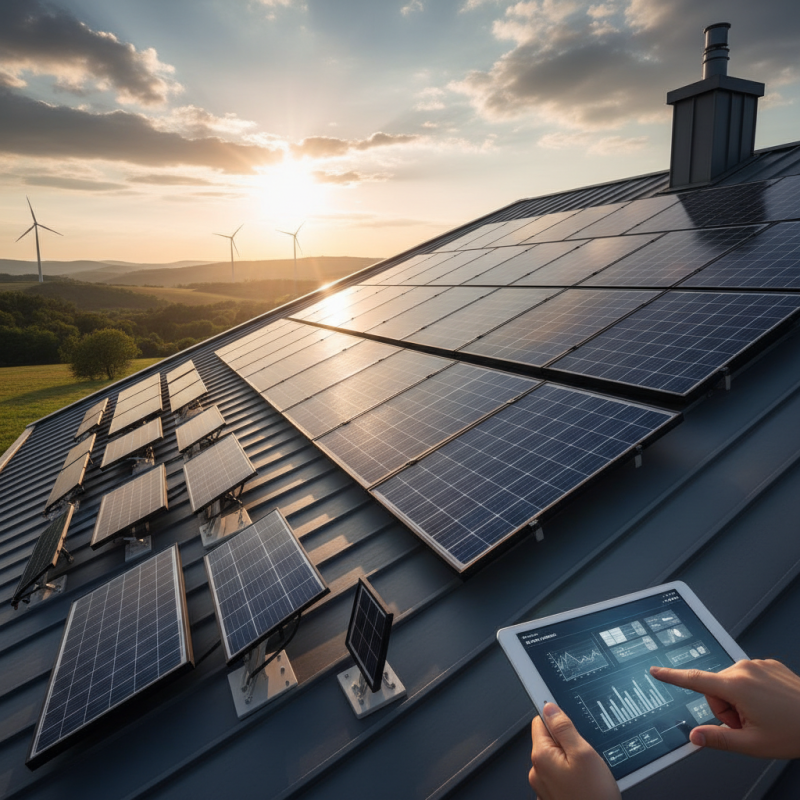
Understanding Photovoltaic Modules and Their Importance in Solar Energy
Photovoltaic modules play a pivotal role in solar energy systems. They convert sunlight into electricity. This process is essential for harnessing renewable energy. Each module consists of multiple solar cells. These cells are often made of silicon, a common material in electronics. The efficiency of these modules greatly influences energy output.
Understanding the types of photovoltaic modules available is crucial. There are different technologies, such as monocrystalline, polycrystalline, and thin-film panels. Each type has its strengths and weaknesses. Monocrystalline panels are typically more efficient but can be more expensive. Polycrystalline panels offer a middle ground, while thin-film models are lightweight and flexible but less efficient.
Choosing the right module requires careful thought. Factors like installation space and budget matter. Some installers focus solely on cost, ignoring efficiency. This can lead to higher energy bills in the long run. Buyers need to reflect on their energy needs and goals. A well-informed choice benefits both the user and the environment.
Best Photovoltaic Module Options for Efficient Solar Energy
| Module Type | Efficiency (%) | Power Output (W) | Size (m²) | Warranty (Years) | Cost ($/W) |
| Monocrystalline | 20.5 | 350 | 1.7 | 25 | 0.70 |
| Polycrystalline | 17.5 | 300 | 1.8 | 25 | 0.60 |
| Bifacial | 22.0 | 400 | 1.6 | 30 | 0.75 |
| Thin-Film | 15.0 | 200 | 2.0 | 20 | 0.50 |
Types of Photovoltaic Modules: Monocrystalline, Polycrystalline, and Thin-Film
When considering photovoltaic modules, three main types come to the forefront: monocrystalline, polycrystalline, and thin-film. Monocrystalline panels stand out for their efficiency. They are made from a single crystal structure, which allows for better energy conversion. Their sleek black appearance appeals to many homeowners. However, they can be more expensive upfront, raising questions about return on investment.
Polycrystalline modules are another popular option. They are made from multiple crystal structures, giving them a speckled blue appearance. While they are generally more affordable than monocrystalline panels, they are less efficient in converting sunlight. This could mean needing more panels for the same output. Some may prefer the lower cost, but it can lead to less ideal roof space usage.
Thin-film solar panels offer flexibility and lightweight design, making them suitable for various applications beyond traditional roofs. They can be integrated into surfaces that don’t support heavier panels. Yet, their lower efficiency compared to crystalline options can be a significant drawback. This distinction can make or break a project, depending on space and energy needs. Choosing the right type of module requires careful contemplation of efficiency, aesthetics, and budget.
Key Factors to Consider When Choosing Efficient Solar Modules
When considering solar photovoltaic modules, several key factors play a significant role in efficiency. One important aspect is the module's efficiency rating. Higher efficiency means more electricity produced from the same amount of sunlight. Look for modules that convert at least 18% of solar energy into power. However, high efficiency often comes with a higher price tag.
Another factor is the temperature coefficient of the modules. This metric reveals how the module performs in heat. A lower temperature coefficient indicates better performance on hot days. It’s essential to choose modules that maintain efficiency even as temperatures rise. Additionally, durability matters. Look for modules that can withstand extreme weather conditions.
Warranties also deserve attention. A longer warranty often suggests higher confidence in the product's longevity and reliability. However, weigh the warranty terms carefully; they can vary significantly between options. Finally, installation should not be overlooked. Poor installation can negate the benefits of an efficient module. Consider local regulations and the experience of your installation team. This holistic approach will enhance your solar energy experience.
Comparative Analysis of Top Photovoltaic Module Brands in the Market
When choosing photovoltaic modules, many factors come into play. Different brands offer unique features. The efficiency of each module varies. Some promise high energy conversion rates, while others focus on durability. Each option has its strengths and weaknesses.
For instance, one brand may excel in low-light conditions. Another could thrive in extreme temperatures. These variances make it hard to determine the best choice. While one model may be perfect for sunny climates, it may underperform in cloudy regions. Data shows that real-world performance can differ from initial lab results.
Many buyers make decisions based solely on price. This approach can be flawed. Higher-priced modules may offer better warranties and efficiency in the long run. It's important to consider total costs, including installation and maintenance. Relying on reviews may not provide the full picture. Users often have different expectations. Evaluating energy output over time can be more telling than a one-time review.
Best Photovoltaic Module Options for Efficient Solar Energy
Innovations and Future Trends in Photovoltaic Module Technology
Innovations in photovoltaic module technology are reshaping the solar energy landscape. Recent studies highlight improvements in efficiency caused by better materials and design. For instance, researchers are experimenting with bifacial modules that capture sunlight from both sides. This can greatly increase energy output, particularly in reflective environments.
Future trends also emphasize durability and sustainability. Newer modules are designed to withstand harsh weather conditions, thus extending their lifespan. Recycling old panels is becoming a focal point. Many manufacturers are now focused on reducing waste. However, challenges remain in scaling these innovations effectively.
Integration with smart technologies is another exciting area. Systems that adjust panel angles in real-time can optimize energy capture. But, the complexity of such setups may deter some users. Not everyone is ready for advanced technology, highlighting a gap in awareness. As the industry evolves, finding the balance between innovation and accessibility is crucial.