Best EV Charger Wall Plug Options for Home Charging?
As electric vehicles (EVs) gain popularity, the need for a reliable Ev Charger Wall Plug becomes crucial for every homeowner. Choosing the right charger can transform your charging experience. It ensures convenience and efficiency for daily use.
The market offers numerous options, but not all are created equal. Some chargers provide rapid charging, while others focus on affordability. It’s important to evaluate your specific needs. A higher wattage may not always be necessary for every driver. You may find that a mid-range option fits your lifestyle better.
Investing in the right EV Charger Wall Plug can simplify your routine and reduce downtime. However, with various features and technologies available, navigating these choices can be overwhelming. Reflect on what you truly need before making a decision. Don't rush; the best choice is one that aligns with your daily habits and environment.
Understanding Home Charging Needs for Electric Vehicles
When considering home charging needs for electric vehicles, it’s crucial to evaluate your charging habits. Many EV owners need daily charging based on their travel. For example, if you drive 30 miles each day, a Level 2 charger can efficiently meet your needs. This type of charger typically delivers enough power to recharge overnight, ensuring your vehicle is ready each morning.
However, not all homes are equipped for high-power charging. Older electrical systems might struggle to support a dedicated charger without upgrades. This can lead to unexpected expenses and even the need for professional help. Installation can pose challenges, particularly in homes without easy access to a garage or parking area.
Some people prefer a simpler option: a standard outlet. Charging is convenient, but takes much longer. It’s not always ideal for those with limited time. Reflecting on your daily routine might help guide your decision. Balancing speed and practicality is essential. Ask yourself: how often do you drive, and how much time do you have for charging?
Types of EV Charger Wall Plugs Available for Home Use
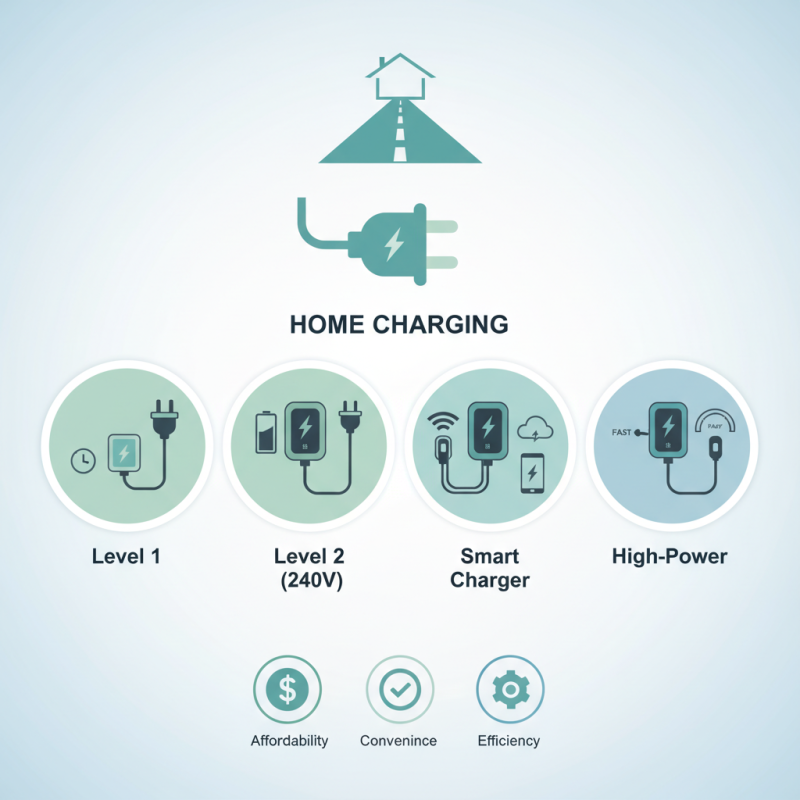
When considering home charging options for electric vehicles, multiple wall plug types stand out. Level 1 chargers are the simplest and easiest to set up. They require a standard household outlet, making them accessible to most homes. However, their charging speed is slow. This may not suit those needing fast turnarounds.
Level 2 chargers offer a quicker alternative. They require a dedicated circuit and can significantly reduce charging time. These plugs cater to electric vehicle owners who drive frequently. Yet, installation can be more complex and may involve hiring an electrician. Some users might struggle with making such arrangements.
DC fast chargers are another option, though less common for residential use. They deliver energy rapidly, but their installation can be quite costly. Not everyone may have the space or budget for this solution. The variety of options reflects diverse needs but also complicates the decision-making process for owners. Weighing speed against convenience is essential in choosing the right charger.
Key Features to Consider When Choosing EV Chargers
When selecting an EV charger wall plug for home charging, several features come into play. Power output is crucial. Most chargers range from 3.7 kW to 22 kW. Higher power means faster charging. However, consider your vehicle's compatibility. Not all cars can handle high power. Understanding your car's needs saves time and energy.
Connectivity features also matter. Some chargers offer smart capabilities. These allow you to monitor charging from your phone. They can also schedule charging during off-peak hours. This can save on electricity bills. However, technology sometimes fails. A charger might disconnect unexpectedly. If you rely on these features, ensure the charger is reliable.
Finally, installation options pose another challenge. Some chargers require a dedicated circuit. Others can work on existing outlets. Check your home’s electrical capacity. A professional electrician can provide insights. Budgeting for installation costs is essential too. Sometimes, you might find a great charger, but installation fees could exceed your budget. This calls for careful planning and consideration.
Best EV Charger Wall Plug Options for Home Charging
| Charger Type | Power Output (kW) | Charging Time (hrs) | Smart Features | Weather-Resistant |
| Level 1 Charger | 1.4 | 24-48 | No | Yes |
| Level 2 Charger | 3.3 - 19.2 | 4-10 | Yes | Yes |
| Portable Charger | 1.5 - 7.2 | 2-8 | Some | Yes |
| Smart Charger | 7.7 - 11.5 | 5-6 | Yes | Yes |
| Ultra-Fast Charger | 50 - 350 | 0.5-1 | Yes | Yes |
Installation Tips for Home EV Charger Wall Plugs
Installing a home EV charger wall plug can seem daunting. However, with careful planning, the process becomes manageable. First, assess your garage or parking area. Ensure there's enough space for installation and easy access to your EV. Consider the distance from the main electrical panel. Longer runs may require more expensive wiring, so plan accordingly.
Next, check local electrical codes. Some regions have specific requirements for EV chargers. It's essential to comply, avoiding potential fines or safety hazards. Choosing the right circuit breaker is also crucial. An improperly rated breaker can lead to issues. Always consult with a licensed electrician to ensure safety and compliance.
Finally, think about the future. Will you add more EVs later? Planning for additional capacity can save you from costly upgrades down the road. It's easy to overlook this point, but addressing it now can prevent future regrets. Installing a home EV charger is a step towards sustainability, but we must ensure it's done right.
Home EV Charger Wall Plug Options
Maintenance and Safety Considerations for Home EV Chargers
When considering home EV chargers, maintenance and safety are crucial. Regular checks can prevent potential hazards. According to the National Fire Protection Association, electrical issues cause a significant number of home fires. Inspecting the charger and outlet every few months can identify problems early. Look for wear, frayed cords, or unusual smells.
Keeping the charging area clean is also important. Dirt and debris can interfere with the charger's function. Dust can accumulate in connectors, causing overheating. The Electric Vehicle Association suggests cleaning the charger monthly. A simple wipe with a damp cloth can do wonders.
Additionally, safety features are vital. Some chargers come with built-in protections against overcurrent and overvoltage. They can prevent costly damages. Yet, many users overlook these features. Understanding them can enhance your charging experience. It's essential to reflect on your usage habits and adjust accordingly. Keep a user manual nearby for reference. Regular reflections on these practices can lead to a safer charging environment.