What Are the Best Factory Workshop Lights for Your Needs?
Choosing the right lighting for a factory workshop is crucial. A well-lit space improves safety and productivity. According to industry expert Michael Grant, “Proper lighting is not an expense; it’s an investment in efficiency.” His insights highlight the importance of selecting the best Factory Workshop Lights.
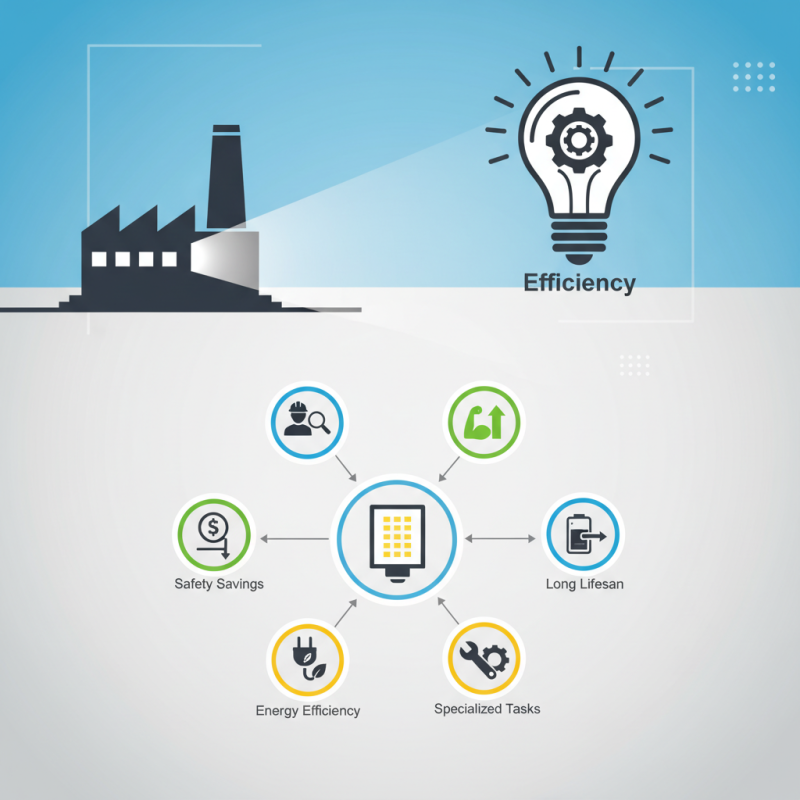
When evaluating your needs, consider factors like brightness and energy efficiency. LED lights are popular due to their long life and low energy consumption. However, some workshops may require more specialized lights to address specific tasks. Balancing cost and functionality is essential.
Remember that inadequate lighting can lead to accidents and reduced output. Take time to assess your workshop's layout and the nature of the work being done. The right factory workshop light will create an environment that fosters both safety and productivity. It’s worth reflecting on your current setup and making necessary adjustments.
Understanding the Importance of Proper Lighting in Factory Workshops
In factory workshops, proper lighting plays a critical role in safety and productivity. A well-lit workspace can significantly reduce accidents. Workers need to see clearly to operate machinery and handle materials safely. Poor lighting, on the other hand, may lead to mistakes and injuries. Shadows and glare can obscure vision.
Consider the task at hand when choosing lights. Different areas might require different intensities. For instance, assembly lines may need brighter lights than storage areas. Overhead lights provide general illumination, but task lighting is also essential. This approach helps focus attention where it's needed most.
Additionally, the quality of light matters. Harsh, white light can cause eye strain. Soft, warm light may improve comfort but could reduce visibility. Striking a balance is crucial. Regularly assess lighting effectiveness and make adjustments as needed. An environment that is either too dim or overly bright can hinder performance. Achieving the right lighting solution requires ongoing evaluation and adaptation.
Types of Workshop Lights: An Overview of Options Available
When selecting workshop lights, understanding the types available is crucial. Each option caters to different needs and environments. Common types include LED, fluorescent, and halogen lights. LED lights are gaining popularity. They consume less energy and provide better illumination. According to a 2022 industry report, 80% of workshops switched to LEDs for energy efficiency.
Fluorescent lights remain a traditional choice. They are cost-effective and widely available. However, they can flicker and may not last as long as LEDs. A study indicated that fluorescent lights have a lifespan of about 15,000 hours, while LEDs can exceed 50,000 hours. This longevity can lead to a significant reduction in replacement costs over time.
Halogen lights are also used but are less common today. They produce bright light, making them suitable for detailed work. However, they generate more heat and consume more energy. Some reporting suggests that halogen lights can increase electricity bills by up to 30% compared to LEDs. While each lighting type offers unique benefits, evaluating specific workshop needs and energy costs is essential for making informed decisions. A balance between brightness and energy efficiency can lead to better long-term outcomes.
Factors to Consider When Choosing Factory Workshop Lights
When selecting the right factory workshop lights, consider several crucial factors. Light intensity is key. A well-lit workspace boosts productivity and safety. You may want brighter lights in areas where precision work occurs. Check the lumen output of lights to ensure they meet your needs.
Another essential factor is energy efficiency. LED lights are popular for workshops. They consume less energy than traditional bulbs and last longer. Although the initial cost may be higher, the long-term savings are significant. Still, they may not provide the warmth some workers prefer.
Consider the layout of your workshop. Task lighting might be necessary for specific zones. Overhead lights offer general illumination, but you might need additional fixtures for detail work. Think about how shadows can affect visibility. It’s important to create a balanced lighting scheme to enhance workflows. Reflecting on these points can help make informed choices for your workspace.
What Are the Best Factory Workshop Lights for Your Needs?
| Lighting Type | Lumens Output | Energy Efficiency (Wattage) | Lifespan (Hours) | Color Temperature (Kelvin) | Installation Type |
| LED High Bay | 15,000 | 150W | 50,000 | 4000K | Suspended |
| Fluorescent Troffer | 8,000 | 90W | 15,000 | 3500K | Recessed |
| LED Strip Light | 3,000 | 30W | 25,000 | 5000K | Surface Mounted |
| Metal Halide | 20,000 | 400W | 20,000 | 5000K | Suspended |
| LED Flood Light | 10,000 | 100W | 50,000 | 3000K | Surface Mounted |
Comparing LED, Fluorescent, and Halogen Lights for Workshops
When choosing workshop lighting, three popular options are LED, fluorescent, and halogen lights. Each type has unique characteristics that can impact your workspace. LED lights boast high energy efficiency, using up to 75% less energy than traditional bulbs. This not only reduces electricity costs but also minimizes heat output, making it safer in enclosed areas.
Fluorescent lights are often more affordable upfront. However, they can flicker and may not provide consistent brightness. Studies show that fluorescent bulbs can lose up to 30% of their brightness after just 18 months. This means they may require more frequent replacement. Halogen lights produce a bright, white light and are excellent for focused tasks. However, they run hot, which can pose a risk in tight spaces.
Tips: Consider the size of your workshop when selecting lights. Larger areas may benefit from multiple light sources to eliminate shadows. Always think about the tasks performed in the space. For detailed work, brighter lights are essential. Evaluate your existing lighting setup periodically. It’s important to reflect on any dark areas that may need more attention.
Installation and Maintenance Tips for Workshop Lighting Systems
Installing and maintaining workshop lighting systems are essential steps in creating an effective workspace. Proper installation begins with choosing the right location for your lights. Consider areas that require maximum illumination, like workbenches and machinery. Mount the light fixtures at appropriate heights to minimize shadows. Ensure your power source is safe. An electric shock can be dangerous. It’s crucial to use proper wiring techniques. Consulting a professional can help avoid potential hazards.
Maintenance is equally important for efficiency. Regularly clean light fixtures to remove dust and grime. Accumulation can reduce brightness significantly. Check the connections and wiring periodically. Loose wires can cause flickering and increase fire risks. Don’t hesitate to replace burnt-out bulbs immediately. Sometimes, it's easy to put off maintenance, but ignoring it can lead to larger issues.
Always keep safety front and center. Having adequate lighting can prevent accidents. If unsure about the layout, reevaluate the placement of fixtures. Areas that appear well-lit might not be illuminative during work hours. Adjustments can improve overall visibility. Take the time to ensure you have a safe and productive environment.