Top 10 Benefits of LED Street Lights for Urban Lighting Systems
As cities around the world continue to grow and evolve, the need for efficient and sustainable urban lighting solutions becomes paramount. One of the most significant advancements in this area is the adoption of LED street lights. These innovative lighting systems are revolutionizing the way urban spaces are illuminated, providing numerous benefits that extend beyond mere visibility. From energy efficiency and cost savings to enhanced safety and environmental impact, LED street lights have emerged as a leading choice for modern urban lighting.
The shift towards LED street lights represents a crucial step in developing smart cities. With their ability to significantly reduce energy consumption and operational costs, municipalities can reallocate those savings to other essential services. Additionally, LED street lights offer superior brightness and improved color rendering, making streets safer for pedestrians and drivers alike. As we delve deeper into the top benefits of LED street lights, it becomes clear that they are not just a trend but a vital component of sustainable urban infrastructure that will shape the future of city living.

Benefits of Energy Efficiency in LED Street Lighting
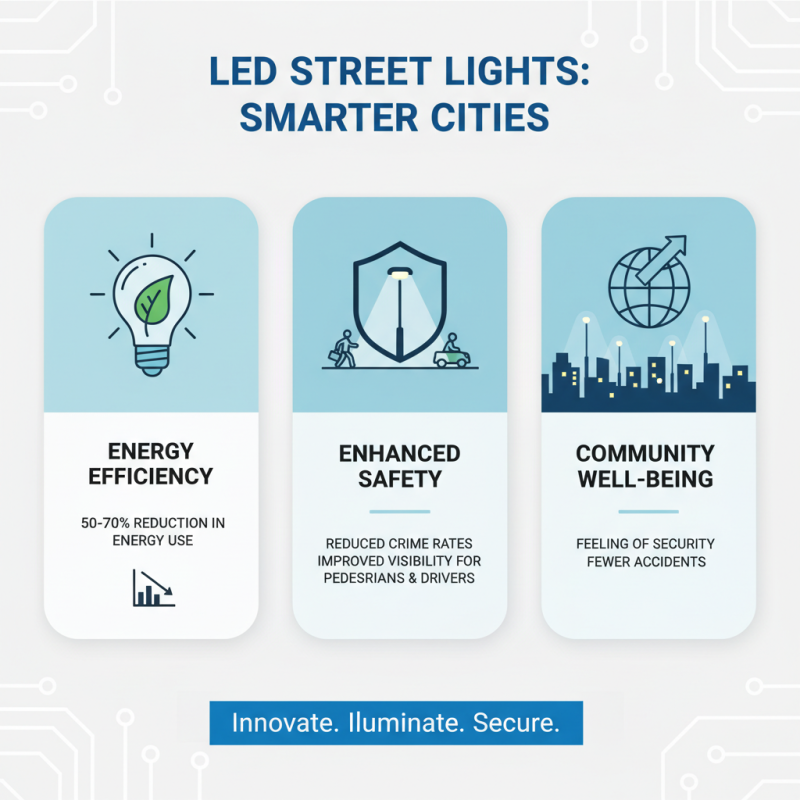
LED street lights are revolutionizing urban lighting systems with their remarkable energy efficiency. Unlike traditional lighting solutions, LED technology consumes significantly less power, translating to lower electricity bills for municipalities. This not only alleviates budget constraints for local governments but also contributes to a reduction in greenhouse gas emissions, making cities greener and more sustainable. The longevity of LED lights, often lasting up to 25,000 hours or more, further enhances their appeal, as it minimizes the frequency of replacements and maintenance efforts.
For cities looking to improve their street lighting, consider these tips: First, assess your current energy usage to identify potential savings with LED adoption. Next, implement smart lighting controls that adjust brightness based on traffic patterns and time of day, maximizing energy efficiency even further. Lastly, engaging the community in discussions about the benefits of transitioning to LED can foster support for the initiative and help ensure a smooth rollout.
The benefits of energy efficiency in LED street lighting extend beyond cost savings. By using less power, LED street lights help mitigate the urban heat island effect, making cities cooler during hot weather. They also enhance safety, with better visibility leading to reduced accidents and crimes. The combination of these factors promotes healthier, more livable urban environments for residents and visitors alike.
Top 10 Benefits of LED Street Lights for Urban Lighting Systems
Enhancement of Urban Safety Through Improved Visibility
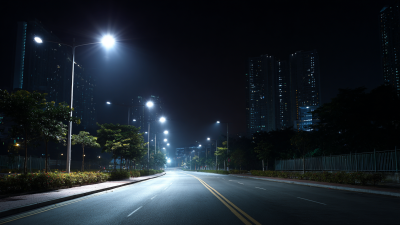
LED street lights have revolutionized urban lighting systems, significantly enhancing visibility and safety in cities. According to a report by the U.S. Department of Energy, the implementation of LED street lighting can reduce energy consumption by up to 50-70% compared to traditional lighting solutions. This remarkable efficiency not only lowers municipal energy costs but also improves public safety through better illumination. A well-lit environment helps reduce crime rates, as studies illustrate that illuminated streets deter criminal activity. The International Dark-Sky Association notes that proper lighting design can enhance visibility for pedestrians and drivers alike, reducing accidents and fostering a sense of security within communities.
When planning the installation of LED street lights, it's crucial to consider the lighting quality. Not all LED lights are created equal; choosing fixtures with a color temperature of around 3000K is recommended for a warmer, more inviting glow that improves visual cues necessary for safety. Additionally, uniform lighting distribution is essential in preventing shadows that could obscure potential hazards.
For cities looking to enhance public safety through improved visibility, here are a few tips: Conduct thorough assessments of dark areas in urban landscapes where crime rates are higher and prioritize those locations for lighting upgrades. Encourage community engagement to gather input on where lighting improvements are most needed. Lastly, consider integrating smart lighting technologies that allow for adaptive brightness, which can increase light levels when needed, further enhancing security during nighttime hours.
Reduction of Maintenance Costs with LED Technology
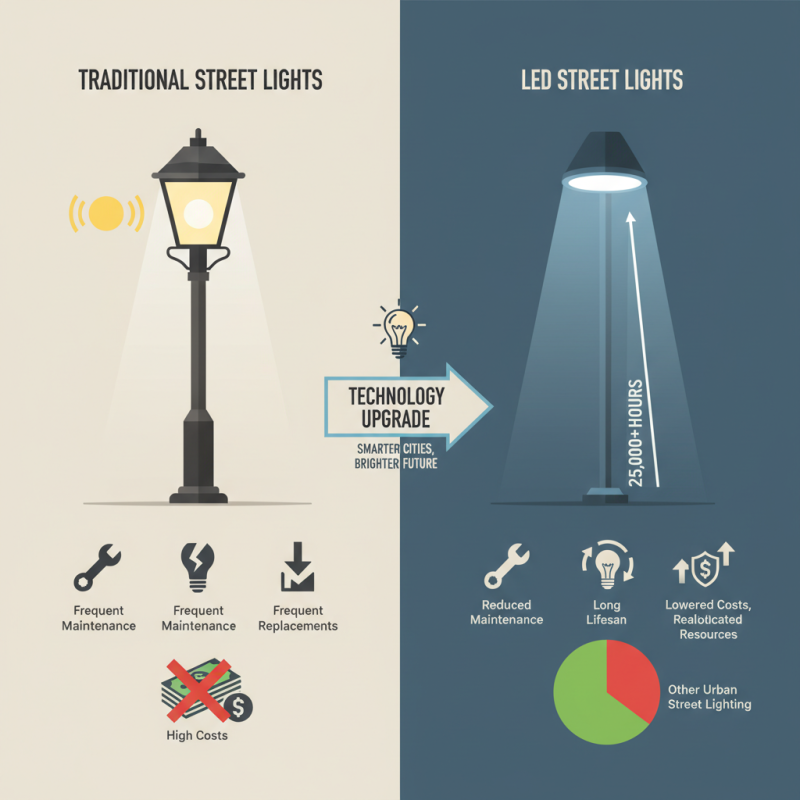
The introduction of LED technology in urban street lighting systems brings substantial benefits, particularly in terms of maintenance cost reduction. Traditional street lights require frequent bulb replacements and regular maintenance due to their shorter lifespan and vulnerability to adverse weather conditions. In contrast, LED lights can last up to 25,000 hours or more, significantly decreasing the frequency of repairs and replacements. This longevity translates to lower operational costs for city departments, freeing up resources that can be allocated to other essential urban services.
Tips for cities considering a transition to LED street lights include conducting a thorough assessment of current lighting infrastructure to identify areas of high maintenance costs. Regularly monitoring light performance can help in scheduling proactive maintenance before minor issues evolve into more significant, costlier problems. Additionally, investing in smart lighting controls can optimize energy usage and further enhance the cost-saving benefits of LED technology. With proper planning, cities can not only enjoy reduced maintenance expenses but also improve overall public safety and environment sustainability.
Ultimately, the shift to LED street lights is a wise financial decision for municipalities. By embracing this technology, cities pave the way for significant reductions in maintenance efforts while improving the efficacy and reliability of urban lighting systems.
Environmental Impact: Lower Carbon Footprint of LED Lights
The transition to LED street lights represents a significant step forward in reducing the environmental impact of urban lighting systems. One of the most notable advantages of LED technology is its ability to produce light efficiently while consuming considerably less energy than traditional lighting options. This reduction in energy demand translates directly to lowered carbon emissions, contributing to a smaller overall carbon footprint for cities that adopt LED systems.
Moreover, the longevity of LED lights further enhances their environmental benefits. With lifespans that far exceed conventional bulbs, LEDs require less frequent replacement, which means reduced waste and lower requirements for manufacturing, transportation, and disposal. This durability not only extends the service life of urban lighting fixtures but also leads to significant decreases in the resources and energy needed for production and maintenance, creating a more sustainable urban lighting environment. Adopting LED technology is not just a trend; it is a concrete step towards building greener, more resilient cities.
Longer Lifespan and Durability of LED Street Lighting Systems
LED street lighting systems are revolutionizing urban environments with their remarkable longevity and durability, setting a new standard for public lighting. According to a report by the U.S. Department of Energy, LED lights can have a lifespan of up to 50,000 hours, which is significantly longer than traditional lighting solutions such as high-pressure sodium lamps that typically last roughly 24,000 hours. This extended lifespan not only reduces the frequency of replacements but also translates into lower maintenance costs for municipalities. With less time spent on replacing bulbs, city workers can focus their resources on other critical service areas.
Moreover, the durability of LED street lights enhances their effectiveness in urban settings. LEDs are constructed with solid-state technology, making them more resistant to shocks, vibrations, and extreme weather conditions compared to their incandescent counterparts that often use fragile components. A study conducted by the National Electrical Manufacturers Association highlights that LED street lights maintain their performance even in harsh conditions, with a failure rate significantly lower than traditional lighting, which tends to degrade quickly over time. This resilience ensures that cities can rely on their lighting systems for consistent and reliable illumination, contributing to increased safety and security in public spaces.
Top 10 Benefits of LED Street Lights for Urban Lighting Systems
| Benefit |
Description |
Estimated Lifespan (Hours) |
Energy Savings (%) |
| Longer Lifespan |
LED street lights can last up to 50,000 hours, reducing the frequency of replacements. |
50,000 |
50% |
| Durability |
LEDs are resistant to shocks, vibrations, and adverse weather conditions. |
N/A |
N/A |
| Energy Efficiency |
LEDs consume significantly less energy compared to traditional lighting. |
N/A |
70% |
| Environmentally Friendly |
LEDs contain no toxic materials and are 100% recyclable. |
N/A |
N/A |
| Instant On |
LED lights reach full brightness instantly without warm-up time. |
N/A |
N/A |
| Reduced Light Pollution |
LEDs provide better light control, reducing skyglow and light trespass. |
N/A |
N/A |
| Lower Maintenance Costs |
Longer lifespan and durability reduce the need for frequent replacements. |
N/A |
N/A |
| Customizable Color Temperature |
LEDs can be designed to emit various color temperatures for different environments. |
N/A |
N/A |
| Safer Roads |
Brighter, clearer light improves visibility and safety for drivers and pedestrians. |
N/A |
N/A |