2026 Top Stainless Steel Trends You Need to Know?
Stainless Steel is a staple in modern design and construction. Its durability and sleek appearance make it a favorite among architects and designers. As we look to 2026, the trends around Stainless Steel are evolving. Innovative designs and sustainable practices are taking center stage.
Many industries are reimagining how Stainless Steel can be used. From kitchen appliances to structural elements, creativity knows no bounds. The rise of eco-friendly materials paired with Stainless Steel is noteworthy. It's an exciting time for the industry, but not without challenges.
There’s a need to consider long-term sustainability. Though Stainless Steel is recyclable, the manufacturing process can be resource-intensive. Striking a balance between style, functionality, and environmental impact presents opportunities for improvement. As we dive into the future of Stainless Steel, it's essential to recognize both its strengths and areas requiring thoughtful reflection.
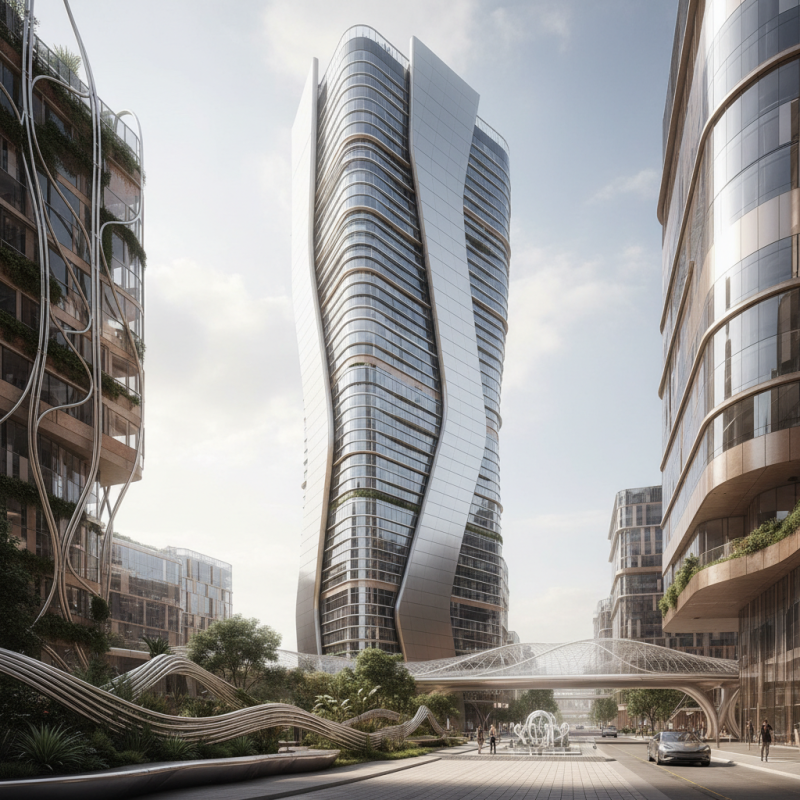
Innovative Applications of Stainless Steel in Modern Design
The innovative applications of stainless steel in modern design are transforming various industries. Recent studies show that the global stainless steel market is expected to reach $180 billion by 2026. This growth indicates a rising demand for sustainable and versatile materials. Designers and architects are embracing stainless steel for its durability, aesthetic appeal, and recyclability. Structures made of stainless steel offer longevity and require less maintenance, effectively addressing the sustainability concerns of today.
In contemporary architecture, stainless steel is often integrated into facades and interior design elements. Its reflective surface creates striking visual effects, enhancing natural light within spaces. Companies have started to explore textured finishes, adding depth to surfaces without compromising cleanliness. These innovations challenge traditional materials and prompt discussions about the balance between form and function. Engaging with these applications can lead to discussions on the costs involved; while stainless steel is more expensive upfront, its lifecycle benefits often outweigh initial expenses.
Despite its many advantages, challenges remain in widely adopting stainless steel designs. Some clients may perceive stainless steel as cold or uninviting, leading to potential hesitations. Professionals in the industry must navigate these concerns by educating clients on design possibilities. A focus on practical examples can help assuage doubts and highlight the unique character of stainless steel in modern design.
Sustainable Practices in Stainless Steel Production
The stainless steel industry is increasingly prioritizing sustainable practices. In recent years, around 75% of stainless steel produced globally has been sourced from recycled materials. This shift reduces the carbon footprint significantly. Reports indicate that recycling stainless steel consumes up to 60% less energy compared to primary production.
The use of renewable energy sources in steel manufacturing is another emerging trend. By utilizing wind and solar energy, companies can decrease greenhouse gas emissions. A study revealed that integrating renewable energy could lower emissions by up to 30% in stainless steel production processes. However, the transition is not without challenges. Investment in new technology and infrastructure is critical, yet the costs can be substantial.
Tips: Consider supporting companies that prioritize sustainable practices. Research their production methods. Look for certifications that guarantee responsible sourcing. Always question the sustainability of materials. The industry's future hinges on a collective commitment to these values.
Emerging Trends in Stainless Steel Finishes and Textures
Stainless steel finishes and textures are evolving rapidly. In 2026, we can expect to see more innovative surface treatments that elevate both aesthetics and functionality. Techniques like brushed, mirrored, and matte finishes will coexist, catering to diverse design preferences. Unique textures, such as hammered or etched patterns, are gaining traction. These add visual interest and depth to stainless steel applications.
One area of exploration is the interplay of finishes. Combining different textures can create striking contrasts. For instance, pairing a polished surface with a matte finish can enhance the overall look. However, achieving a seamless blend requires careful consideration. Some textures may not withstand wear as well, leading to a shorter lifespan in specific environments.
Another noteworthy trend is the emergence of eco-friendly finishes. Manufacturers are striving for sustainable methods that minimize environmental impact. This approach resonates with consumers seeking responsible design choices. However, the challenge lies in balancing sustainability with durability. Addressing these complexities can lead to impressive results, but it's a journey filled with trial and error.
The Role of Technology in Advancing Stainless Steel Properties
The advancement of technology has significantly influenced the development of stainless steel properties. Recent studies indicate that innovative techniques, such as additive manufacturing, enhance the strength and durability of stainless steel. For instance, data from the Global Stainless Steel Industry Report reveals a projected growth rate of 5% annually for advanced stainless products by 2026.
Moreover, surface engineering technologies have improved corrosion resistance. This is critical for applications in harsh environments. Investigations show that applying specific coatings can reduce corrosion rates by over 30%. However, these methods require careful consideration of environmental impacts and material sustainability.
Sensors and IoT play a crucial role in production processes. They enable real-time monitoring of structural integrity. This technology ensures consistency in quality, but there are challenges. Data overload and system integration remain complex issues. Addressing these problems is essential for maximizing efficiency. As the industry evolves, reflecting on these technologies’ broader implications becomes vital.
2026 Top Stainless Steel Trends You Need to Know
| Trend | Description | Technological Impact | Applications |
| Sustainable Alloy Development | Innovations in stainless steel alloys that improve sustainability. | Advanced manufacturing techniques and recycling technologies. | Construction, automotive, and packaging industries. |
| Smart Stainless Steel | Integration of IoT technology into stainless steel products. | Sensors and monitoring systems embedded in materials. | Smart appliances and industrial applications. |
| Enhanced Corrosion Resistance | New surface treatments and alloy compositions to improve durability. | Nanotechnology and advanced coating technologies. | Marine, chemical processing, and food industries. |
| 3D Printed Stainless Steel | Using 3D printing technology to create complex stainless steel parts. | Additive manufacturing advancements. | Aerospace, medical implants, and prototyping. |
| Bio-inspired Design | Application of biomimicry to enhance material performance. | AI and computational modeling for design improvements. | Robotics and structural engineering. |
Stainless Steel in Architecture: Trends for the Future
Stainless steel is transforming architectural design. Its versatility and durability make it a popular choice in modern constructions. According to the Global Stainless Steel Market Report, by 2026, the industry is expected to reach over 174 billion USD. This growth highlights the increasing reliance on stainless steel for innovative designs.
Architects are using stainless steel to create striking facades. Its reflective quality can enhance natural lighting in buildings. Additionally, the material's resistance to corrosion ensures longevity. Recent studies show that buildings utilizing stainless steel can last over 50 years, reducing the need for frequent renovations.
Tips: When considering stainless steel, think about its environmental impact. It is 100% recyclable, contributing to sustainable architecture. However, some design elements may require frequent polishing, which could lead to higher maintenance costs. Evaluate the balance between aesthetics and practical upkeep in your projects.
2026 Top Stainless Steel Trends in Architecture